9 Customer Loyalty Programs That Work

July 28, 2025

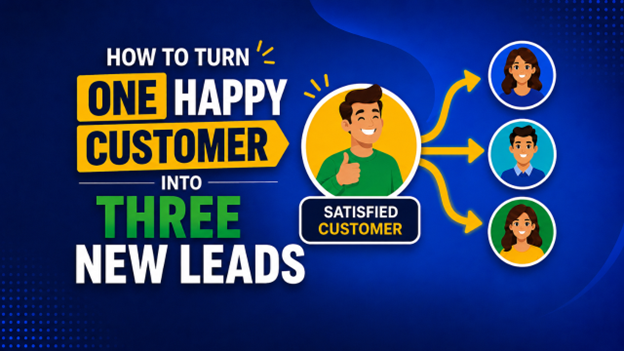
Attracting new customers is important, but building loyalty is where long-term success happens. Loyal customers spend more, visit more often, and refer others. According to business.com, they spend 67% more than first-time customers. Cultivating that loyalty takes more than just great service. It takes creativity, consistency, and value-driven engagement. Whether you run a retail store, restaurant, gym, salon, or professional service firm, there are many inventive ways to reward loyal customers and turn them into your best advocates.


Rewards Programs

One loyalty tactic that has been around long before the internet is a simple rewards program. Punch cards are a timeless option because they work. Whether it’s “buy 9 coffees, get the 10th free,” or “get a free appetizer after five lunch visits,” customers love a visible, tangible progress tracker.


For businesses that want to modernize the concept, there are plenty of easy-to-use digital punch card apps that eliminate the need for physical cards while still offering the same satisfaction of reaching a goal.


Reusable Loyalty Product

If your business sells products or services that people buy frequently, consider creating a reusable loyalty item. You probably have visited a coffee shop that offers branded refillable cups where customers get discounted drinks every time they bring the cup. Smoothie and juice bars can use the same concept. This approach is environmentally friendly and encourages repeat visits. Plus, it serves as mobile advertising when customers carry your branded cup around town.


Not selling food or drinks? That’s okay. Sell merch for your business and every time someone wears it into your establishment, give them a small discount for “being a fan.”


Off-season Rewards

For businesses that rely on seasonal sales, loyalty programs can reward off-season engagement. A clothing boutique might offer a VIP summer sale to top customers who shopped consistently during the slower winter months. A lawn care company could provide early-bird discounts in the spring to clients who stayed on board through the fall. AC companies can offer a “head start on summer” discount for customers who book before the hot season. This tactic keeps customers connected during quiet periods and evens out your sales cycle.


Add-ons

Service businesses have equally creative options for rewarding loyalty. Salons and spas can offer free add-ons after a certain number of visits, think a complimentary scalp massage, a product sample, or a mini facial upgrade. Gyms and fitness studios could give loyal members branded merchandise like water bottles or workout towels, or even a free guest pass to bring a friend. Pet groomers might reward frequent clients with a free pet treat or small grooming upgrade, creating small moments of surprise and delight.


Members-only

Members-only programs in businesses are catching on as many businesses have found out that customers are willing to pay a small yearly (or monthly) fee to have access to specials, discounts, or secret sales. Restaurants can mix it up by offering special menu items only available to loyalty members, or hosting an exclusive monthly “members-only” happy hour. Similarly, bars and breweries can roll out a mug club, where members pay a small fee for their own glass or mug and receive larger pours or discounted drinks throughout the year. These kinds of programs tap into a sense of belonging and exclusivity, making customers feel like insiders.


Personalization and Appreciation

Knowing what your customers want is key to creating loyalty. Reward loyalty through early access to sales (or new rollouts), VIP shopping nights, or birthday discounts. Add a personal touch by tracking customer preferences and offering tailored discounts (like a favorite brand or product) based on purchase history. Offer “surprise boxes” or curated gift packages for your most loyal customers during the holidays, adding a layer of appreciation that goes beyond standard sales promotions.


Rewarding Referrals

Professional services, like accounting firms, law offices, or real estate agencies, can create loyalty by rewarding client referrals and repeat business. For example, a tax preparation firm could offer returning clients a discount or bonus service (you can make this date capped so that people will use the discount sooner and not during your busy season), such as a free mid-year financial check-in. Real estate agents can send home anniversary gifts, calendars, or cards to clients who purchased a home through them, staying top of mind long after the sale is complete.


Competition

Another fun idea is incorporating competition into loyalty efforts. Consider what action you want your customers to take. Businesses can set up friendly challenges, such as a “Top Referrer” program where the customer who refers the most friends in a quarter wins a bigger prize. Fitness studios might run “most classes attended” contests with tiered rewards. Offices or coworking spaces can offer contests for checking in, using conference rooms, or attending events. Bookstores can offer “readers’ rewards” with discounts after a set number of purchases, or host exclusive book clubs. Florists can reward repeat customers with a complimentary bouquet after multiple orders or surprise them with a small arrangement during their birthday month.


The point of any loyalty program is to make your customers feel seen and appreciated. This needn’t be costly. A simple handwritten thank you card, a surprise discount, or a personalized acknowledgment goes a long way in an age where much of business is automated. Loyalty grows when customers know you value their business and reward their commitment in meaningful ways.


As the holiday season approaches, it’s a great time to launch or refresh your loyalty program. Contact the chamber and let them know about your promotional ideas. Networking opportunities provide you an additional platform from which to share your loyalty strategies with the community.


Building loyalty is more than a marketing tactic. It’s an investment in long-term relationships that fuel sustained business growth and help you stand out from your competition.


------

Christina Metcalf is a writer and women’s speaker who believes in the power of story. She works with small businesses, chambers of commerce, and business professionals who want to make an impression and grow a loyal customer/member base. She is the author of The Glinda Principle, rediscovering the magic within.

_______________________________________

Medium: @christinametcalf

Facebook: @tellyourstorygetemtalking

Instagram: @christinametcalfauthor

LinkedIn: @christinagsmith
February 2, 2026
QR codes have faded in and out of popularity over the past decade, but they’ve finally surpassed trend status and they’re here to stay. They are convenient ways to drive traffic to desired information or action platforms. When used with intention, QR codes quietly remove friction and move customers exactly where you want them to go. QR codes are great for information that could change such as daily specials. QR code stickers can also update old info on printed materials (perfect for the extremely budget conscious business) as in the case of a move and old business cards. Slap a QR code sticker on the cards directing scanners to info on your new locale. Whether QR codes are effective in your business or not depends on how you’ve been using them. This guide will help you use QR codes the smart way, without annoying your customers or wasting valuable space. Start With One Clear Job Every QR code should do one thing well. Not three. Not “menu, reviews, newsletter, and follow us on Instagram.” Before you generate a code, finish this sentence: “When someone scans this, I want them to _____.” Order ahead. Pay a bill. Join a waitlist. Watch a demo. Book an appointment. Leave a review. If you can’t answer that clearly, the QR code isn’t ready yet. Confusion kills scans faster than bad Wi-Fi. Match the QR Code to the Moment Context matters more than placement. A QR code on a table should help someone who is already seated. A QR code at checkout should help someone who is already paying. A QR code on packaging should help someone who already bought. Too many businesses ask customers to change mental gears. Someone standing in line does not want to read your brand story. Someone browsing your storefront does not want to fill out a five-field form. Ask yourself what problem exists in that exact moment and solve only that. Send Them to a Mobile-friendly Destination This sounds obvious but it is also the most common mistake. If your QR code leads to a desktop-only website, a tiny PDF, or a page that takes more than three seconds to load, you’ve lost the scan. Best practices here are non-negotiable: • Mobile-optimized page • Minimal text • Clear headline • One primary action • No pinching or zooming required A QR code is an express lane. Don’t route it through construction. Tell People What They’ll Get Never assume people will scan just because a square exists. Add a short, human instruction: · “Scan to view today’s specials” · “Scan to reorder in under 30 seconds” · “Scan for the how-it’s-made video” You’re not selling the QR code. You’re selling the outcome. The more specific the payoff, the higher the scan rate. Use Dynamic QR Codes Whenever Possible S tatic QR codes are set in stone. Dynamic QR codes let you change the destination later without reprinting anything. That flexibility matters more than you think. Menus change. Links break. Campaigns evolve. A dynamic code protects your investment and lets you adapt without starting over. It also gives you data. Scans by time, location, and device help you see what’s actually working instead of guessing. Design for Visibility, not Decoration QR codes do not need to be pretty. They need to be scannable. Follow these design rules: • High contrast between code and background • Adequate white space around the code • Large enough to scan from the intended distance • No visual clutter nearby If someone must tilt their phone, squint, or move closer than expected, the moment is gone. Brand colors are fine. Artistic distortion is not. Respect Trust and Privacy Customers are cautious. A QR code that feels sketchy will be ignored. Avoid sending people directly to: • Download prompts without explanation • Login walls • Overly long forms • Anything that looks unrelated to where they are If you’re collecting information, say so. If you’re offering value, lead with that. Trust is part of the user experience. Test Like a Customer, not an Owner Scan every QR code yourself. Then have someone else scan it. Try different phones. Try different lighting. Try it on cellular data, not office Wi-Fi. Ask: • Does it load quickly? • Is it obvious what to do next? • Would I scan this again? If the answer isn’t a confident yes, fix it before it goes live. Measure Results, Then Prune QR codes are not “set it and forget it.” Check performance monthly. Retire codes that don’t get used. Improve the ones that do. Replace vague destinations with clearer ones. A few high-performing QR codes will always beat a dozen ignored ones. Note to restaurants and those employing QR menus: COVID created a need for using QR codes to replace physical menus. Some restaurants (and service providers) are enjoying the freedom and cost reduction from using these codes instead of paper menus. There's nothing wrong with this unless your audience finds it annoying. Understand the demographic you're serving and their preferences. Some groups find the lack of a physical menu to be a barrier instead of a quicker way to see it. If that's the case with your audience, you may be losing money because they don't feel like scanning the QR code again to view the drink or dessert menu. Upsells and additions will be less likely. Used well, QR codes are invisible helpers. They shorten lines, speed decisions, and remove tiny annoyances your customers may never articulate but absolutely feel. But remember: the goal isn’t more scans; it’s smoother experiences. Read More: - How Small Businesses Can Lead Innovation - How to Make Time for Innovation - Keeping Up with Tech ------------ Christina Metcalf is a writer and women’s speaker who believes in the power of story. She works with small businesses, chambers of commerce, and business professionals who want to make an impression and grow a loyal customer/member base. She is the author of The Glinda Principle , rediscovering the magic within. _______________________________________ Medium: @christinametcalf Facebook: @tellyourstorygetemtalking Instagram: @christinametcalfauthor LinkedIn: @christinagsmith
January 26, 2026
Small business owners are usually not short on ideas. You have them in the shower, in the car, halfway through a client call, and even in the middle of the night. Ideas for a new service. A better way to onboard customers. A partnership you should pursue. A social post series that would actually sound like you. No, the problem is not creativity. The problem is action. Most good ideas don’t die because they were bad. They die because they never get translated into a next step while they’re still exciting. That’s why you need the 48-Hour Rule. The rule is simple: If an idea doesn’t have a next action plotted and scheduled within 48 hours, it’s not a plan. It’s entertainment. This is not a judgment on your executing abilities. It’s your business. The urgent pulls harder than the important. And once an idea slips behind payroll, customer emails, and the Tuesday fire drill, it rarely climbs back out. So, let’s talk about how to make the 48-Hour Rule work in real life with time limits. Why 48 Hours Works (And “Someday” Doesn’t) A new idea creates a burst of clarity. You can see the path. You can picture the result. You feel a little lighter because you’ve imagined a better version of your business. But clarity fades fast. In 48 hours, two things happen: Reality returns. Your current workload reasserts itself or you start doubting your abilities, your team’s abilities, your customer’s interests, or any other number of things that begin to cause… The idea starts to feel bigger than it is. You forget the simple version and only remember the “perfect” version. This becomes next to impossible to put into action. The 48-Hour Rule protects your idea from both. It forces you to do one thing before the moment passes: choose the next action . Not the whole plan. Not the branding. Not the full rollout. Just the next action. The Difference Between an Idea and a Next Action An idea is fun, creative, exciting, while a next action is specific, physical, and schedulable. It’s something you can do without needing another meeting with yourself. Shy away from your action being “research.” It’s easy to get lost in it with little to show. Here are examples: Idea: “We should improve customer follow-up.” Next action: “Draft a two-email follow-up template and save it in the CRM.” Idea: “We should partner with another business.” Next action: “Write one partnership pitch email and send it to two businesses by Friday.” Idea: “We should raise prices.” Next action: “List top 10 services, current prices, and margins in a spreadsheet by Thursday at 10 a.m.” If you can’t schedule it, it’s not a next action. How to Implement the 48-Hour Rule Without Blowing up Your Week If you’re excited about your new idea, get something scheduled, even during a busy week. Try this: Step 1: Capture the idea in one sentence. Not five paragraphs. One sentence. Put it in a running note on your phone or a single “Idea Parking Lot” document. Step 2: Write the smallest next action. Ask: “What’s the first move that would make this 5% more real?” Step 3: Schedule it inside the next 48 hours. Not “this week.” Not “soon.” Put a 15–30-minute block on your calendar. Treat it like a client meeting. Because it is. Your future revenue is sitting in the lobby. Step 4: Give it a finish line. The goal of that block is not perfection. It’s progress you can point to. A draft. A message sent. A decision made. A file created. The “Two-Track” Trick for Busy Seasons If you’re in a truly slammed stretch, use this adjustment: you only have to schedule one of two things within 48 hours : The next action or A decision to deliberately defer it (with a date) That second option matters. Because “not now” can be a smart business decision. If you can’t do the action, schedule a 10-minute decision block: “Do we pursue this in Q1 or not?” That keeps you moving. What This Looks Like Over Time The magic of the 48-Hour Rule isn’t that every idea becomes a big initiative. Instead, your business becomes a place where ideas get handled, not hoarded. You’ll start to notice: Fewer loose ends rattling around in your brain Faster follow-through (which customers feel immediately) More momentum inside your team Better instincts about what’s worth doing, because you’re testing ideas in small bites Action compounds in the way that matters reducing chaos and increasing innovation. A Simple Challenge for This Week Pick one idea you’ve been sitting on. Just one. Write the next action. Schedule 20 minutes for it in the next 48 hours. Then do it. That’s how businesses grow—small, consistent moments of follow-through. Ask the Chamber If you’re thinking, “I have ideas, but I need the right people, resources, or a push,” you’re not alone. That’s exactly what a chamber of commerce is built for: turning good intentions into traction. Use your chamber for the kind of next actions that matter: Ask them to make an introduction that leads to a partnership or something specific you need Attend one event and meet your next vendor or client Join one committee and get closer to decision-makers Ask one question and get practical insight from business owners who’ve been there Your idea may be game changing, but you won’t know until you execute. You may not have time to get it completely worked out and implemented, but you do have time to start with a 20-minute next step. Try the 48-Hour Rule this week. Then let your chamber help you turn that first step into a path. Read More: Embracing Imperfection to Strengthen Your Business How Small Businesses Can Lead Innovation How to Make Time for Innovation Revenue Without Regret: Designing Offers You're Proud to Sell Scaling Your Impact: From Dore to Delegator to Developer  -------------- Christina Metcalf is a writer and women’s speaker who believes in the power of story. She works with small businesses, chambers of commerce, and business professionals who want to make an impression and grow a loyal customer/member base. She is the author of The Glinda Principle , rediscovering the magic within. _______________________________________ Facebook: @tellyourstorygetemtalking Instagram: @christinametcalfauthor LinkedIn: @christinametcalf5
January 20, 2026
Is Your Business Owner-Dependent?