How to Stop Being the Best-Kept Secret in Town

March 30, 2026

If you ask a small business owner where most of their opportunities come from, you’ll usually hear some version of the same answer: referrals, word of mouth, “someone who knew someone.”


Behind nearly every thriving local business is an invisible network of relationships quietly moving opportunities from one person to another. No big announcements. No flashy campaigns. Just a steady flow of trust being passed along behind the scenes.


This is how local economies work. Not just through marketing. Not just through pricing or location. But through connection and loyalty. And those connections take time.


The Network You Can’t See (But Feel Every Day)


Think about how business really gets done in your community.


A contractor needs an electrician and calls someone they’ve worked with before.


A new homeowner asks their real estate agent for someone who builds fences or builds organization in garages.


A banker hears a client mention they’re expanding and connects them to a commercial realtor.


A consultant introduces two clients who could benefit from working together.


None of this shows up in a formal report. But it drives real revenue, real growth, and real stability.


These moments happen because of relationships.


And more importantly, because of trust.


When one business refers another, they are putting their own reputation on the line. That doesn’t happen casually. It requires the confidence that the other business will deliver.


Over time, these small, consistent exchanges create a network that becomes one of the most valuable assets a business can have.


Why This Matters More Than Marketing Alone


Marketing gets attention but relationships get action. That’s because people are more apt to act on a word-of-mouth referral than a fancy ad campaign. When someone they trust says, “You should call them,” the decision is already halfway made.


That’s the difference between being visible and being chosen.


For small businesses especially, this invisible network often outperforms traditional marketing efforts. It’s more targeted, more credible, and more likely to lead to long-term customers. And best if all—more affordable.


But you don’t automatically become part of that network just because you opened your doors.


You must become known. Build trust through the quality of your good or services. And you have to be top-of-mind when the opportunity arises.


There’s no ad campaign that can make that happen for you in a few hours. It’s a commitment to quality. It takes time to build a fully functional referral engine.


How Businesses Get Left Out


Businesses struggle when they’re disconnected from the flow of relationships in their community.


You can do great work and serve your customers well, and still be an unknown. If that’s the case, when opportunities move through the network, they’ll move right past you.


People refer who they know.


Which means being good at what you do is only part of the equation. Being known for what you do is the other critical half.


Where the Chamber Comes In


This is where the chamber plays a much bigger role than many people realize. A chamber isn’t just hosting events and sending newsletters. It actively shapes the invisible network of the business community. And chamber membership is like the golden ticket to the business community, if you use it.


Every conversation sparked between two members has potential because every time someone learns what another business does, a new connection point is created.


The chamber becomes the place where relationships begin, strengthen, and multiply. These introductions are the starting points for future referrals, collaborations, and opportunities.


The Compounding Effect of Connection


The real power of this network is not in one introduction. It’s what happens over time. You meet one person. That person introduces you to another. That connection leads to a project. That project leads to a referral. That referral turns into a long-term client.


And it works the other way too. Maybe you’ve been doing your own books and now you’re ready for someone else to take it over. You know that people you meet through the chamber have a connection to the community.


Now multiply those introductions and referrals across dozens or hundreds of relationships. It’s why consistent engagement matters.


Showing up once is helpful. Showing up regularly is what builds recognition. And recognition is what leads to being top of mind when opportunities move through the network.


A Simple Shift in Perspective


Many business owners think of networking as something they must do or conversely don’t have time for.


The more useful way to see it is this:

You are not just attending events or meeting people. You are positioning your business inside a living, moving network of opportunity. Every conversation makes known who you are and what you do. Every relationship increases the likelihood that someone will think of you when the right moment comes. Every time someone sees you in the community you’re building on that top-of-mind recognition.


And those moments happen quietly. In conversations you’re not part of. Between people who trust each other. That’s the invisible network you want working for you because when you’re part of it, your business doesn’t just rely on cold calling and mailers. Interested leads start finding you and wanting to work with you before they’ve even read your marketing copy.


Read More:


---------------

Christina Metcalf is a writer and women’s speaker who believes in the power of story. She works with small businesses, chambers of commerce, and business professionals who want to make an impression and grow a loyal customer/member base. She is the author of The Glinda Principle, rediscovering the magic within.

_______________________________________

Facebook: @metcalfwriting

Instagram: @christinametcalfauthor

LinkedIn: @christinametcalf5
May 19, 2026
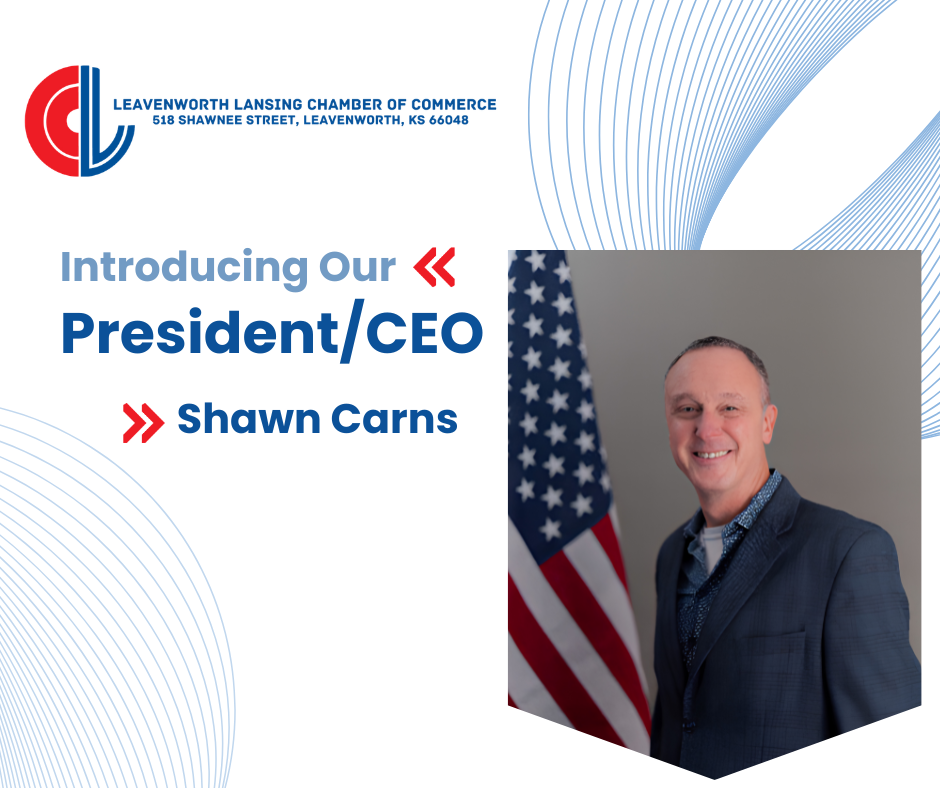
Introducing our new President/CEO Shawn Carns
May 18, 2026
Most businesses don’t lose their edge in one dramatic, cinematic moment. They lose it quietly. A tweak here. Following a trend there. A consultant recommendation that sounds smart but doesn’t fit. A few AI-generated ideas pasted into the marketing plan with the confidence of someone assembling furniture without looking at the directions. Before long, something feels off. The business’ personality is flatter. The message sounds like everyone else’s. The thing that made people choose them has been polished, sanded, and lacquered in beige. That “thing” that makes you who you are is aptly called your unique value proposition (UVP). It’s the combination of what you offer, who you serve, how you serve them, and what you share about the “why” behind what you do. It’s what sets you apart and entices people to buy from you or visit your business over others. A strong UVP breeds loyalty. And yes, businesses kill it by accident all the time. Here are some of the most common ways it happens so you can watch out for it happening to yours: Listening to Advice From People Who Don’t Understand Your Market Marketing experts and business consultants can be incredibly helpful. Fresh perspective works because outside expertise can uncover problems you’ve been too close to see. But a consultant who doesn’t understand your audience can accidentally steer you away from the very thing that makes your business special in the eyes of your customers. A trendy, high-end rebrand might make sense for a luxury market, but it could alienate customers who love you because you’re approachable, familiar, and practical. A polished “curated experience” might sound sophisticated on paper and what “everyone is doing” but if your customers come to you because they feel known, welcomed, and part of a family, removing that warmth isn’t a strategy. It’s a fast train to “It’sJustNotTheSameVille.” Good advice should sharpen your difference, not erase it. Chasing Trends That Don’t Fit Your Audience Every industry has trends. Minimalist branding. TikTok-style videos. Subscription models. Luxe packaging. AI chatbots. “Experiences.” Founder-led content. Ultra-casual copy. Ultra-polished copy. Whatever LinkedIn is currently pretending it invented. Some trends are useful and some are noise. The danger to your business comes when you adopt a trend because everyone else is doing it, without asking whether your customers want it. For instance, if your audience values speed, don’t make everything more elaborate and wordier. If they value personal service, don’t automate every touchpoint. If they value affordability, don’t redesign your offer to feel exclusively high-end and then act shocked when your regulars disappear. A trend should serve your customer relationship. It should never become the new boss of your brand. Using AI Randomly Instead of Strategically AI can help a business get smarter, faster, and more consistent. It can help draft emails, organize ideas, summarize customer feedback, outline campaigns, brainstorm offers, and speed up routine tasks. But randomly asking AI questions is not the same as making AI part of your business. If you use it without teaching it your audience, offers, tone, standards, objections, FAQs, and customer journey, you’ll get generic output. Generic output leads to generic messaging. Generic messaging makes you sound like every other business trying to “elevate solutions.” AI works best when it’s treated like a trained assistant, not a slot machine for copy. Don’t use it hoping it will yield million-dollar results. Give it context. Build repeatable prompts. Feed it examples of what you like/want. Review the output. Protect your voice. Otherwise, you’ll sound like a bot and cost yourself additional time editing. That’s not very efficient. Becoming More Generic to “Grow” As businesses grow, they often try to appeal to more people. Cast a wide net, catch more customers, right? While that makes sense to a point, trying to attract everyone can make your message so broad and bland that it speaks to no one. For example, a business known for serving busy parents may water down its message to reach “families, professionals, individuals, and the community” because it seems like there are only a limited number of “parents.” A boutique service provider may stop naming the exact problems clients bring them because they don’t want to sound too narrow. A restaurant known for its decadent sausage gravy may redesign its menu because they realized heart disease is the number one killer in the US, and they thought they should remove the fat and switch to a healthier menu. While it may attract new customers, it will lose those who love their comfort food. Growth should expand opportunity. It shouldn’t require a personality transplant. Copying Competitors Too Closely Keeping an eye on competitors is smart. Copying their offers, language, pricing structure, content style, and customer experience is where you’ll run into trouble. You don’t know why a competitor is doing what they’re doing. Maybe their strategy is working. Maybe it’s failing loudly behind the scenes. Maybe they copied someone else because they “had to do something.” Maybe this is a Hail Mary pass in the last few seconds of the game and they’re just hoping to move the marker. Competitor research should help you find gaps. It should help you understand where you can stand apart. If it turns you into a slightly different version of another business, you’ve traded distinction for something else entirely. Forgetting to Talk to Real Customers Your customers will tell you what makes you different, but only if you keep listening. Businesses often make changes based on internal opinions, industry chatter, or the loudest person in the room. Meanwhile, customers are giving clues every day. They mention why they came back. They name the employee who made the experience better. They compliment the thing you barely noticed. They complain when something meaningful disappears. Pay attention to repeat phrases in reviews, emails, conversations, referrals, and testimonials. Your strongest positioning and ideas to meet customers needs are often hiding in plain sight. Over-Professionalizing the Brand There’s nothing wrong with looking polished. But polished should never mean sterile. Some businesses scrub away personality because they think professionalism requires sounding bigger, colder, or more formal. They replace specific language with vague industry terms. They remove humor. They bury warmth. They stop sounding like humans and start sounding like a committee circling back and drilling down because bandwidth requires a game-changing pivot—a bunch of empty, overused words. Professionals and brands have personalities and the best brands feel trustworthy and recognizable. Your unique value proposition is not a slogan you write once and tape to the wall. It should guide your decisions, messaging, customer experience, hiring, technology, partnerships, and growth. Before you follow the next trend, hire the next expert, or hand your voice to AI, ask one question: Will this make us more clearly ourselves to the people we’re here to serve? Read More: Are You Accidentally Repelling Perfect Clients? Embracing Imperfection to Strengthen Your Business The Hidden Shift Every Growing Business Owner Faces Your Business Isn't Too Small to Build a Brand ------------------------- Christina Metcalf is a writer and women’s speaker who believes in the power of story. She works with small businesses, chambers of commerce, and business professionals who want to make an impression and grow a loyal customer/member base. She is the author of The Glinda Principle, rediscovering the magic within. _______________________________________ Facebook: @metcalfwriting Instagram: @christinametcalfauthor LinkedIn: @christinametcalf5

May 11, 2026
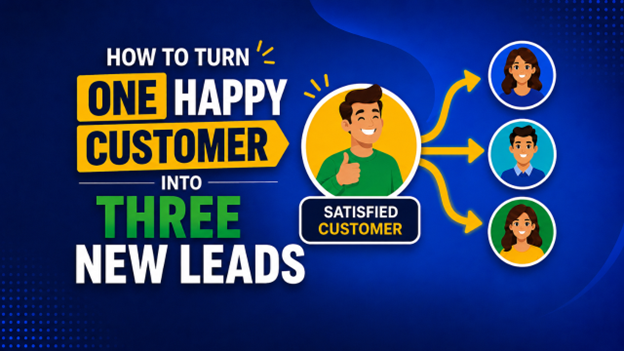
Hopefully, your happiest customers are already doing some marketing for you. Maybe they’re mentioning your business to a neighbor or tagging you in a post. Perhaps they’ve told a friend, “You should call them.” The problem is that most small businesses leave those moments to chance and probably don’t even know about them. That’s why you must make referral marketing part of your marketing goals. Referrals are powerful because they come with built-in trust. A stranger clicking an ad may be curious. A person recommending your business to a friend is handing you a warm lead. That’s worth building a simple system around. You don’t need a huge budget or a complicated referral program. You just need a few repeatable habits that make it easy for happy customers to send more people your way. Ask at the Right Moment Start by knowing when to ask. Timing matters. The best moment is usually right after a customer has had a positive experience. Maybe they compliment your team. Maybe they leave a great review. Maybe they reorder, renew, rebook, or tell you how much something helped them. That’s your opening. Instead of saying, “Let us know if you know anyone,” which puts all the work on them, be specific. Try something like: “If you know another business owner who could use help with this, I’d be grateful if you’d send them my way.” Or: “We love working with customers like you. If you have a friend or colleague who needs this, feel free to share our contact info.” Specificity helps people think of someone. Or tell them the why you need referrals. People are more likely to help when you tell them why you need it. “We’re a small business and we get most of our clients through referrals. We would appreciate you telling your friends and family about us.” This helps them understand how important referrals are to you, but it also tells them that many people have referred you (“We get most of our clients through referrals.”)—that’s social proof. Make Referrals Easy to Share Next, make referrals easy to share. Create a short blurb customers can forward by text or email. Keep it conversational. For example: “I’ve been working with [Business Name], and they’ve been great. They help with [specific service/product], and I thought of you because [reason]. Here’s their info.” You can also create a simple referral card, QR code, or web page with your contact information, top services, and a clear explanation of who you help. If someone has to hunt for your phone number, website, or booking link, you’re making them work too hard and few people will do that. Turn Conversations into Warm Introductions Another quick win is to ask for introductions in person, especially at events. If a customer, vendor, or fellow business owner says they know someone you should meet, ask whether they’d be comfortable making the connection. A warm introduction is stronger than a cold email. It gives the other person context and makes the conversation feel less transactional. This is where your chamber can become a practical business development tool. Chamber events aren’t only for showing up, shaking hands, and collecting business cards you’ll later find in your purse, car, or desk drawer like tiny rectangles of guilt. Used well, they can help you build a smarter referral network. Use the Chamber as a Connection Partner Before attending an event, think about who you want to meet. Are you hoping to connect with real estate professionals, restaurant owners, nonprofit leaders, healthcare providers, employers, young professionals, or city leaders? Reach out to the chamber and ask which events tend to attract those groups. Many chambers know the personality and audience of each gathering. A morning coffee may draw a different crowd than a women’s leadership event, an industry roundtable, a ribbon cutting, or a large signature event. Your chamber may also be able to make direct introductions. If you’re looking to meet a certain demographic, ask. That’s part of the relationship-building advantage of membership. Chamber staff often know who’s growing, who’s hiring, who’s collaborating, who’s new to the community, and who might be a strong connection for your business. Follow Up Before the Lead Goes Cold Once you make a connection, follow up quickly. Within 24 to 48 hours, send a short note. Mention where you met, reference something specific from the conversation, and suggest a next step if it makes sense. Don’t overcomplicate it. A good follow-up might be: “It was great meeting you at the chamber event yesterday. I enjoyed hearing about your expansion plans. If you ever need help with [specific need], I’d be happy to be a resource.” Track What’s Working Finally, keep track of referrals. A simple spreadsheet or notes field in your CRM is enough. Track who referred whom, when you followed up, and whether the connection became a customer. This helps you thank people properly and see which relationships are generating real business. The best referral strategy isn’t pushy. It’s prepared and focused. You’re making it easier for people who already trust you to open the next door. Take the Next Step Look at the chamber calendar and see what’s coming up next. Then reach out to the chamber before you attend. Let them know who you’re hoping to meet. The right event, the right introduction, and one happy customer can turn into your next three leads. Read More: How to Stop Being the Best-Kept Secret in Town How to Turn Small Talk into Big Opportunities The Referral Engine: How to Get People Talking About Your Business The Referral Revival: 5 Proven Ways to Get More word-Of-Mouth Without Ever Asking -------------------------- Christina Metcalf is a writer and women’s speaker who believes in the power of story. She works with small businesses, chambers of commerce, and business professionals who want to make an impression and grow a loyal customer/member base. She is the author of The Glinda Principle , rediscovering the magic within. _______________________________________ Facebook: @metcalfwriting Instagram: @christinametcalfauthor LinkedIn: @christinametcalf5