Search results for 'employee' (46)

April 13, 2026
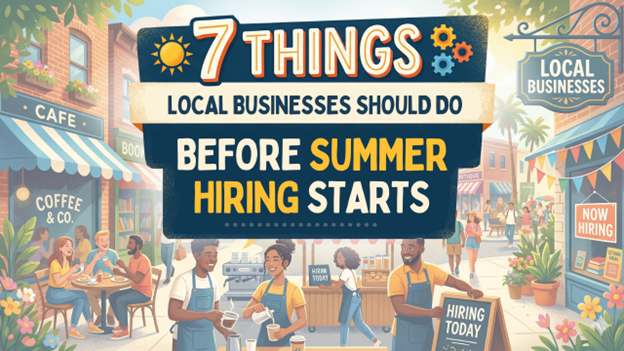
It’s getting to be that time of year again—the summer scramble for capable employees. Colleges are about to go on break. High schools will finish up soon thereafter, and eager summer employees are looking for jobs now. In the past, you probably posted a job, hired fast as fast as you could, and hoped for the best. But seasonal hiring doesn’t have to feel like a gamble. Done right, it can give you flexibility, protect your margins, and improve your customer experience. Done wrong, it creates more work than it solves. Here’s how to hire for summer without regretting it by July. Start With Demand, not Desperation Most seasonal hiring decisions are based on a vague feeling that “it’s going to get busy.” That’s not a strategy. Before you post a single job, look at last year’s numbers. When did traffic increase? Which days or hours were stretched thin? Where did service break down? Hiring should solve specific problems, not general anxiety. If Saturdays were your bottleneck, you don’t need more staff across the board. You need targeted coverage. When you hire with precision, you avoid overstaffing and protect your cash flow when business inevitably fluctuates. Hire for Flexibility, not Perfection It’s tempting to wait for the “ideal” candidate who can do everything. But in seasonal hiring, that mindset slows you down and limits your options. Instead, look for people who are adaptable, reliable, and willing to learn. A college student who can work varied shifts and pick up new tasks quickly may be more valuable than someone with years of experience who needs a rigid schedule. Summer business is unpredictable. Your team should be able to move with it. Flexibility also applies to how you structure roles. Instead of hiring for one narrow position, think in terms of coverage. Who can help at the front and jump in elsewhere when needed? That kind of cross-functionality is what keeps operations running smoothly when things get busy. Shorten the Learning Curve One of the biggest mistakes businesses make is assuming seasonal hires will “figure it out” or that the summer is short so why train them on everything. First, they won’t figure it out on their own or worse, they will… just not the way you would have preferred. Additionally, summer may be short but doing something wrong or a way your customers aren’t used to could cost you loyalty in the long run. If you want temporary employees to perform like permanent ones, you need to set them up for success quickly. That means simple, clear onboarding. Not a binder no one reads. Not a rushed walkthrough during a busy shift. Focus on the essentials. What do they absolutely need to know to do the job well in the first week? Create quick-reference guides, checklists, or short training videos. Pair new hires with someone who knows your standards and can model them in real time. The goal is speed with consistency. The faster they feel confident, the faster they become productive. Build a Team That Can Cover for Each Other Summer schedules are notoriously chaotic. Vacations, last-minute requests, and shifting availability can create constant gaps if your team isn’t structured well. This is where cross-training becomes invaluable. When employees understand more than one role, you gain flexibility without constantly adding headcount. It also reduces stress on your team. No one wants to feel like the entire operation depends on them showing up. Set the expectation early that everyone contributes to the bigger picture. When people understand how their role connects to others, they’re more willing to step in where needed. Don’t Ignore Your Core Team Here’s where a lot of businesses struggle in the first few weeks of summer. They focus so much on bringing in seasonal help that they forget about the people who keep things running year-round. Your core team is the anchor during busy seasons. If they feel overlooked, overworked, or responsible for “fixing” everything new hires don’t know, burnout isn’t far behind. Involve them in the process. Ask for input on where help is needed. Let them contribute to training. Recognize the extra effort they’re putting in. Thank them. Give them a gift card or extra day off to show your appreciation. A supported core team will elevate your seasonal staff. An exhausted one will jeopardize your business future and company culture. Think Beyond the Season Not every seasonal hire is temporary. Some of your best long-term employees will come from these short-term roles. Watch for the people who show up on time, take initiative, and connect well with customers. Those are the ones worth keeping in your pipeline. Even if you don’t have an immediate role, staying in touch gives you a head start the next time you need to hire. Seasonal hiring isn’t just about filling gaps. It’s an opportunity to build relationships and strengthen your future workforce. Use Your Chamber as a Hiring Advantage* If you’re trying to solve staffing challenges on your own, you’re doing too much. Your chamber is one of the most underused hiring tools you already have access to. Start with visibility. Many chambers offer job boards, newsletter features, and social media promotion that put your open roles directly in front of a local, engaged audience. These aren’t cold applicants scrolling job sites at midnight. These people are already connected to the business community. *Chamber Members are eligible to utilize our job board , Facebook group , and weekly newsletter to advertise job postings. These benefits are included in your membership. Priority listings are also available for additional cost; Builder-Level members and above receive complimentary listings. Questions: Office@LLchamber.com But the real value goes deeper than job postings. Chambers are constantly making introductions. That includes connections to local colleges, workforce programs , and training organizations. If you need seasonal help, part-time support, or even interns, those relationships can shorten your search dramatically. Instead of broadcasting your need into the void, you’re tapping into a network that already understands your local market. This is especially helpful when you need something more specific than “extra hands.” If your business requires certain skills, certifications, or experience, let the chamber know. Workforce development is a growing priority for many chambers, and they’re actively working to close gaps between what businesses need and what the local talent pipeline provides. That might look like partnerships with schools, targeted training programs, or initiatives designed to prepare people for in-demand roles in your area. But none of that works if businesses stay quiet about their needs. If you’re struggling to find qualified candidates, express it. If your industry has a skills gap, bring it forward. Chambers can’t build solutions in a vacuum, but they can be incredibly effective when they have clear direction from the business community. At the very least, you’ll get access to better candidates. At best, you help shape a workforce pipeline that works for your business long term. And that beats posting the same job ad three times and hoping the algorithm finally shows your listing. Sure, you can choose to do it like last year, just getting through the season. But while you’re doing the hiring work anyway, why not sure up your business’ future? Read More: Delegation Done Right: Free Yourself and Empower Your Team Hiring in a Tight Market: Your Local Playbook for Finding and Keeping Great People Simplify Seasonal Staffing Think Twice Before Hiring of Promoting "Brilliant Jerks" -------- Christina Metcalf is a writer and women’s speaker who believes in the power of story. She works with small businesses, chambers of commerce, and business professionals who want to make an impression and grow a loyal customer/member base. She is the author of The Glinda Principle, rediscovering the magic within. _______________________________________ Facebook: @metcalfwriting Instagram: @christinametcalfauthor LinkedIn: @christinametcalf5

April 6, 2026
Hello. 1999 is calling. They want their business practices back. If you’re old enough, that line may remind you of the classic 90s sitcom Seinfeld. But sadly, many offices are still running the same way that Elaine and George experienced way back when. Why? Because it feels safe. Familiar processes, standard office hours, packed calendars, and old-school management habits may seem like signs of structure. But in today’s workplace, outdated practices slow things down and push good people away. For Your Employees’ Sake Modernizing your business does not mean chasing every new app, copying Silicon Valley, or handing your operations over to a chatbot and hoping for the best. Instead, you need to take an honest look at how people work best today and build a workplace that reflects reality, not 90s office nostalgia. This is not a call for ping-pong tables in the break room and pickleball courts in the parking lot. There’s a workforce need to adapt to employees because they’ve changed. Job candidates have changed. Customer expectations have changed. A business that refuses to evolve can start to feel harder to work for, harder to grow with, and harder to believe in. Ax the Unnecessary Meetings One of the clearest shifts in modern business is the end of the unnecessary meeting. People are tired of gathering for the sake of gathering. If a meeting does not solve a problem, move a project forward, or create true collaboration, it’s probably stealing time from work that matters. Modern businesses are learning to replace some meetings with better written communication, short check-ins, shared project tools, and clear accountability. This respects people’s focus and gives them more room to do their jobs well. Be Flexible Flexibility is another major factor in employee satisfaction. For years, many employers treated rigid schedules as proof of professionalism. Now, more businesses are realizing that results matter more than whether someone is sitting at a desk at exactly 8:00 a.m. every day. Flexible hours, hybrid arrangements, and work-from-home options are now seen as competitive advantages in hiring and retention. That doesn’t mean every business can or should go fully remote. Plenty of roles require people to be on-site. But even in businesses where in-person work is essential, there are often opportunities to offer flexibility in scheduling, shift swaps, compressed workweeks, or greater autonomy over how work gets done. Employees notice when an employer treats them like responsible adults. Embrace Efficiencies Artificial intelligence is another area where modern businesses need a more practical mindset. AI isn’t magic. It’s not a replacement for judgment, leadership, or human connection. But it can be a powerful tool for efficiency. Small businesses can use AI to streamline routine tasks, summarize meeting notes, draft first versions of marketing copy, organize research, improve customer service workflows, and help employees spend less time on repetitive work. Treat AI like an assistant, not an oracle. Businesses that use it wisely can save time, reduce burnout, and create more space for strategy and service. Businesses that ignore it entirely risk falling behind competitors that are learning how to do more with the same team size. Think Employee Experience Modern business also includes clearer communication, better technology, and stronger attention to employee experience. People want to know what’s expected of them. They want systems that work. They want onboarding that helps them succeed instead of just handing them a coffee mug and hoping it will work out. Employees want growth opportunities, regular feedback, and confidence that their employer sees them as more than a warm body filling a role. This is critical when it comes to recruiting and retention. Small businesses often assume they can’t compete with larger employers on salary or benefits alone, and sometimes that’s true. But workplace culture, flexibility, professional development, and smart systems can make a major difference. Employees are more likely to stay where they feel trusted, equipped, and respected. Candidates are more likely to say yes to a business that feels current, thoughtful, and well run. Updating your practices also sends a message to customers. A business that adapts well internally is often better positioned externally. It can respond faster, communicate better, and solve problems more efficiently. Modern workplaces tend to be more resilient because they’re built to adjust rather than resist. This is where your chamber can play an important role. Chambers are uniquely positioned to help small businesses stay current without feeling like they must figure everything out alone. Through workshops, networking, peer learning, leadership programs, and expert-led events, chambers can introduce business owners to new tools, new ideas, and new ways of thinking about workforce needs. Just as important, they create opportunities to learn from other local employers who are facing the same challenges and finding practical solutions. And when you join the chamber, all your employees join the chamber. You may not be able to afford leadership training and professional development for all your employees, but they can get it from the chamber. Many businesses don’t think of this perk. They assume there’s one point of contact and that person reaps the chamber member benefits. Becoming a modern business doesn’t require a complete reinvention. It starts with asking better questions. · Are these meetings useful? · Are these policies helping people do their best work? · Are our systems making work easier or harder? · Am I equipping the team for the way business operates now? The businesses that thrive in the years ahead will not necessarily be the biggest. They will be the ones willing to adapt. Modernizing your workplace past 90s sitcom jokes makes you the kind of business talented people want to join, customers want to trust, and your community wants to see succeed. Read More: How to Build a Culture People Want to be a Part Of Maximize Efficiency: Tools and Techniques to Boost Team Productivity Think Bigger: How Systems Thinking Gives Small Business Owners a Smarter Edge Why Your Team Isn't Getting It (Even When You Think You're Crystal Clear) -------------------- Christina Metcalf is a writer and women’s speaker who believes in the power of story. She works with small businesses, chambers of commerce, and business professionals who want to make an impression and grow a loyal customer/member base. She is the author of The Glinda Principle , rediscovering the magic within and is currently writing a book for high-achieving women entitled, “When Great Isn’t Good.” _______________________________________ Facebook: @metcalfwriting Instagram: @christinametcalfauthor LinkedIn: @christinametcalf5
March 23, 2026
It’s the middle of the night. Even the high achievers aren’t awake yet. But you are. Not because of a noise, but because of a number. Specifically, the number of your bank balance, and how it compares to the number required to pay your team this Friday. You aren’t alone. For small business owners, payroll isn’t just an expense; it’s someone’s mortgage payment. Their rent, their groceries, and their families depend on your ability to manage a spreadsheet. When the panic hits, swirling thoughts aren’t helpful. You need triage. You need the 2:00 AM Audit: a pragmatic, five-step checklist to shift you from paralysis to perception, and from perception to a plan. After all, worry isn’t action and that’s what you need. 1. Identify the Gap Panic makes mountains out of molehills. Wake up fully, turn on a dim light, and get the real numbers. Do not trust the "available balance" on your mobile app. It doesn't know about the three checks that haven’t cleared or the automatic SaaS deduction hitting tomorrow. Log into your actual accounting software or open your master spreadsheet. Calculate the precise amount needed for net payroll, plus payroll taxes. The Triage: What is the exact dollar amount of the shortfall? Knowing you are short $2,250 is manageable; knowing you are "short" is terrifying. 2. Isolate Incoming Cash (The "Real" Receivables). Now, look at who owes you money. Sort your accounts receivable by "Age." Triage: Ignore anyone in the "60+ days" column for tonight; they aren’t helping you by Friday. Focus only on the "Current" and "1-30 days" columns. Identify the two clients most likely to pay if given a gentle, human nudge. (Example: "Hi Jane, we are doing our end-of-month reconciliation. Any chance you could slip Invoice #104 into this week's payment run?") 3. Review Outgoing Cash (The "Can Wait" List). You cannot make money appear, but you can delay its departure. Review every expense scheduled between now and payroll day. Triage: Categorize them ruthlessly: Must Pay: Rent, utilities, essential raw materials. Can Wait: Software subscriptions that aren’t mission-critical, marketing spend, inventory that won't turn over for weeks, and—most importantly—your own owner’s draw. 4. Activate the "Last Resort" Emergency Valves. If the gap still exists after Triage #2 and #3, it's time to review your pre-approved safety nets. Triage: Check your business line of credit availability. This is exactly what it is for: smoothing out temporary cash flow valleys. If you do not have one, put "Apply for LOC" at the very top of next week’s to-do list. 5. Design the 8:00 AM Action Plan. The goal of the 2:00 AM Audit isn't to solve the problem at 2:00 AM. It's to stop the adrenaline loop so you can sleep. Write down the three things you will do at 8:00 AM: 1. Email/Call Client A regarding Invoice #X. 2. Log into the bank and defer payment to Vendor B. 3. If 1 & 2 fail by noon, draw $Y from the Line of Credit. How the Chamber of Commerce Can Help The Chamber of Commerce isn’t just for networking mixers and ribbon cuttings. We’re a powerful resilience engine for small business owners facing financial stress. If payroll anxiety is a recurring theme for you, the Chamber offers structural support to help move you from survival to stability. Financial Education and Triage Check for workshops (through the Chamber or partners like SBDC or SCORE) on cash flow management, anticipatory accounting, and fractional CFO services. These sessions are designed to teach you how to predict a payroll shortfall three months out, rather than three days out. Access to Capital and Lenders Through its network, the Chamber connects members with local banks, credit unions, and alternative lenders who specialize in small business needs. Chamber membership can give you a warmer introduction to loan officers who understand the local economic landscape and can help you secure that essential line of credit before you need it. Mentorship and Vetted Professionals Chambers provide access to mentorship programs (like SCORE) or a directory of vetted, reputable local CPAs and bookkeepers. Sometimes, the best way to solve payroll worry is to pay a professional to manage the daily cash, freeing you to focus on the strategy that generates it. Read More: The Hidden Cash Sitting In Your Business (And How to Find It) Money Management Tips for People Who Hate Money Management A Practical Guide to Funding Your Small Business with Business Loans and Beyond Small Business Administration - Manage Your Business Small Business Resource Round-up Check out these Chamber Businesses for: Financial Advisors & Accountants Payroll -------------- Christina Metcalf is a writer and women’s speaker who believes in the power of story. She works with small businesses, chambers of commerce, and business professionals who want to make an impression and grow a loyal customer/member base. She is the author of The Glinda Principle, rediscovering the magic within. _______________________________________ Facebook: @metcalfwriting Instagram: @christinametcalfauthor Substack: @christinametcalf LinkedIn: @christinametcalf5
March 16, 2026
If you’re a small business owner, you probably didn’t wake up one morning and declare, “Today, I’m going to be an executive.” That would’ve required time for reflection and who has that when you’re running a business? Most entrepreneurs don’t get that luxury. One day you’re making the thing, selling the thing, fixing the thing, or delivering the service. The next day you’re managing schedules, answering payroll questions, resolving customer issues, and trying to figure out why the printer refuses to cooperate with the accounting software. Somewhere along the way, you stopped being the person who does the work and became the person responsible for making sure the work happens. This is the moment many small business owners quietly become what could best be described as the Accidental Executive. You may never call yourself a CEO. In fact, most owners of small and mid-sized businesses would laugh at the idea. But if you’re overseeing staff, coordinating multiple functions of the business, making financial decisions, and setting direction for the future, you’re already operating at an executive level whether the title exists or not. The Maker Phase Nearly every small business begins in what could be called the “maker phase.” A person has a skill, a craft, or a service people want. A baker opens a shop. A contractor starts taking on projects. A designer begins freelancing. A consultant lands their first few clients. In this phase, success comes from being good at the work itself. You’re the engine of the business. If you stop producing, the business stops moving. You’re also trading time for money and since there is a limited number of hours in the day, you can only grow so much under that structure. For many entrepreneurs, this stage feels natural. The work is familiar. The results are visible. Effort goes in and something tangible comes out. But there is another dynamic at play in those early days. Most of your first customers aren’t buying because of a sophisticated marketing plan. They buy because they know you. They trust you. Someone recommended you. Maybe they met you through a community group, a chamber event, or a mutual connection. You shake their hand. You show up personally. You solve their problem. Those early relationships become the foundation of the business. They lead to repeat customers and referrals. In the beginning, your reputation travels faster than your marketing. Then something interesting happens. Customers start showing up more often. The business grows. And suddenly you can’t do everything anymore. The First Hires Change Everything Hiring the first employee is a proud moment. It signals growth and momentum. But it also quietly shifts your role. Now someone needs direction, training, and feedback. There are schedules to approve, paychecks to process, and questions to answer. Multiply that by three, five, or ten people and the nature of the job changes entirely. The owner is no longer producing the work. You’re coordinating it. Many business owners still think of themselves as the primary worker in the business even after this shift happens. But if your day is filled with conversations, decisions, troubleshooting, and planning instead of the original craft, the role has already changed. You are no longer the maker. You’re the person running the operation. And you need to make that transition if you want to grow. When Clients Miss Seeing You There is another subtle shift that often surprises growing businesses. In the early days, customers bought directly from you. They saw you on every visit. You answered the phone and handled the details. You were the face of the service. As the business grows, that changes. Employees begin doing the work. New team members show up at client sites or in the store. You become the person overseeing the business rather than the person performing the service. Often longtime clients feel that change. They might say something like, “We never see you anymore,” or “We miss working with you.” It’s not necessarily a complaint. It’s simply a reflection of change and people don’t always like change. The client trusted you personally, and now the relationship is shifting from a one-to-one connection to a relationship with the company. For many owners, this moment feels uncomfortable. It can create a sense that something important is being lost. But it doesn’t have to be. The key is making sure the client’s trust transfers from you to the organization. One simple way to do this is to intentionally introduce your team as an extension of you. Let clients know who will be working with them and why you trust that person. Share their strengths. Position them as capable professionals, not just employees filling in for the owner. At the same time, maintain a visible presence in the relationship. A quick check-in call, a brief email after a project, or an occasional visit can reassure clients that you are still engaged and accountable. You may not be doing the work personally anymore, but they are still guaranteeing the quality of the work. The Uncomfortable Truth This stage can feel frustrating because the skills that made you successful early on are no longer the skills the business needs most. Being a great mechanic does not automatically prepare you to manage technicians, negotiate vendor relationships, and analyze pricing strategies. Being a talented photographer does not immediately translate into managing a studio schedule, marketing campaigns, and customer service policies. Running a growing business requires a completely different set of abilities. Leadership. Communication. Delegation. Decision-making. Strategic thinking. These are executive-level skills, even if the business only has a handful of employees. The uncomfortable truth is that many owners are never formally taught how to make this transition. Most are figuring it out in real time while trying to keep the business moving forward. Why This Transition Matters When business owners don’t recognize their role has changed, they often continue trying to operate as the primary worker while also managing the entire organization. That combination rarely works for long. Owners become overwhelmed. Employees feel micromanaged and confused about their role. Recognizing the shift from maker to accidental executive allows owners to approach their role differently. Instead of trying to do everything personally, the focus moves to building systems, developing people, and creating structure that allows the business to operate effectively. Your work becomes less about personal output and more about guiding the entire operation. Over the course of your business’ lifetime, your role will likely transition several times from doer to manager to executive leadership where operational duties fall to others. The Chamber Can Help This is exactly where business networks and community support become valuable. Many small business owners are navigating these leadership shifts. Connecting with other business owners provides perspective that cannot be found inside the walls of your company. Conversations at networking events, leadership programs, workshops, and peer groups often reveal something powerful. Nearly everyone is figuring it out as they go. Hearing how other owners approached hiring, delegation, growth, and leadership challenges can shorten the learning curve dramatically. The chamber environment creates space for those conversations to happen (and sometimes the leadership training too). The Title Isn’t the Point Whether someone calls themselves an owner, founder, partner, or president does not really matter. What matters is recognizing the moment when the business begins requiring executive-level thinking. Once you shift from doer to manager (or exec), the path forward changes. The goal is no longer simply doing the work well. The goal becomes building a business where many people can do the work well and thrive. That’s the real difference between doing a job and leading an organization. Read More: Business.com First Time Hiring Guide Is Your Business Owner-Dependent? How to Build a Culture People Want to Be a Part of Succession Planning Workbook - a resource for planning. Created to help you identify key people/positions that should have redundancies in place and help get a guideline for training and replacements. Free for Chamber Members. ----------- Christina Metcalf is a writer and women’s speaker who believes in the power of story. She works with small businesses, chambers of commerce, and business professionals who want to make an impression and grow a loyal customer/member base. She is the author of The Glinda Principle , rediscovering the magic within. _______________________________________ Facebook: @tellyourstorygetemtalking Instagram: @christinametcalfauthor LinkedIn: @christinametcalf5
February 9, 2026
If you run a small business, you know the struggle. There’s never enough time, never enough people, and the budget is always a limiting factor. So when someone says, “prioritize employee wellness,” it can sound like another big expense, not to mention something you just don’t have the resources to implement. No one will argue that taking care of your employees is important but wellness programs are for big corporations, right? Maybe yoga studios and gyms are. But there are ways to introduce and monitor wellness levels even in the smallest of businesses. Why Wellness Is Critical to Your Success Your business is only as strong as your most disgruntled employee. Dissatisfied workers aren’t good at customer service. Their dissatisfaction will be evident to those they’re trying to help. Even if your team isn’t forward facing, a burnt-out employee can spread their angst to other members of your team and erode productivity and moral. Your team’s stress level doesn’t care that you’re a small business. And if you don’t think your team has a problem, you need to consult the data, which is waving a very large flag. A recent USA TODAY|SurveyMonkey workforce survey found that 24% of workers say they’re either struggling (12%) or burnt out (12%). An article on Small Biz Trends called it a wake-up call for owners. It also encouraged simple, practical moves like regular check-ins, mental health resources, and a culture of open communication as ways to get these numbers turned around. This matters because burnout doesn’t just feel bad. It gets expensive. The Cost of Ignoring Burnout Is Real Turnover isn’t just the cost of posting a job and running interviews. It’s: · lost productivity while the role sits open · extra workload on your best people (who then start browsing job sites at lunch) · training time, mistakes, customer friction, and knowledge walking out the door Gallup estimates the cost to replace an employee can range from half to two times their annual salary. And those costs vary by role type. Gallup also notes replacement costs around 200% for leaders/managers, 80% for technical professionals, and 40% for frontline employees. Small businesses feel that hit harder because every person is a bigger percentage of the operation. One resignation can create a domino effect: missed deadlines, stressed coworkers, and customers who start to wonder what’s going on behind the curtain. So no, you don’t need a corporate wellness program. You need a culture where people can do good work without slowly melting down. What Wellness Means in a Small Business Employee wellness isn’t a perk. It’s the day-to-day experience of working for you. Think of it as your internal brand. A strong sense of employee wellness can keep employees hanging on through the tough times. Many of us have the mistaken idea that wellness is ping pong tables in the breakroom. But it’s not. It’s: · Clarity instead of chaos. · Respect instead of mind-reading. · A manager who notices instead of ignores. · A pace that’s intense sometimes, not all the time. Think of it as preventive maintenance. You’re not trying to create a spa. You’re trying to keep the engine from blowing on the freeway. Micro-Actions That Move the Needle (Without Draining Your Calendar and Wallet) Resources are stretched for many small businesses, so a company culture relaunch is probably not feasible. That’s why we compiled a list of small, realistic actions that compound into a healthier culture. Pick a few. Build from there. The 10-Minute “Pulse Check” (Weekly) Ask three questions of each of your team to get operational intelligence: · What’s one thing going well? · What’s one thing making your job harder than it needs to be? · What’s one thing I can remove, clarify, or decide? Decide Quicker A huge source of stress is uncertainty. If you can’t decide today, say when you will. Clarity is calming. Create a “Red Flag” Phrase Give employees a simple way to signal overload without shame: “I’m at capacity.” Or “My plate is full-full.” Then your job (or the manager’s/supervisor’s) is to respond like an adult, not a courtroom attorney. Be thankful that they admitted they couldn’t take on another task. That means they safeguarded the company from a disappointing customer experience. Protect One Quiet Hour Pick one hour a day (or two afternoons a week) that’s meeting-free and interruption-light. Make it normal to do focused work without constant pings. Normalize Taking PTO for Actual Rest That SurveyMonkey report even tracks people using PTO for rest and mental health. If your culture subtly punishes time off, burnout wins. If coverage is hard, rotate “on point/on call” responsibility so people can truly unplug. There should never be a reason to disturb an employee on vacation just because someone can’t find a file. Not only does that call disrupt them in the moment, but it also adds stress causing them to wonder what else will go wrong and what the next call or text will be about. Instead of relaxing, they will be on high alert. Make Workload Visible When everything lives in your head (or Slack chaos), people feel like they’re failing even when they’re working hard. A simple shared board (Trello, Asana, a whiteboard) plus weekly priorities reduces stress fast. Praise Specifically, not Generically “Great job” is adequate. “Great job handling that upset customer. You listened to their concerns and escalated the matter quickly and appropriately. I’m happy to announce that because of you, they renewed with us.” makes the employee feel good and helps to identify what’s important to you as a culture. Recognition doesn’t cost money. It costs attention. Set “After-Hours” Expectations If you text at 9:30 pm, your team feels the pressure of always being on call. If you must send messages late, add: “No need to respond until tomorrow.” Better yet, use the scheduling feature so they don’t receive them until business hours. While you may just want to shoot them an email so the thought doesn’t slip your mind, just remember your habits upset their nervous system. Build One “Safety Valve” for Hard Weeks Create a plan for crunch times such as: · temporary shift swaps · a pre-set “drop list” of nonessential tasks · a rotating admin/helper hour · shortened meetings Crunch happens. Suffering doesn’t have to be the strategy. Ask for One Improvement Idea Per Month (And Implement It) This is how you build trust: ask, choose, act, repeat. Culture improves when people see proof. No one wants to be asked their opinion just to go unheard. When you implement an employee suggestion, give the employee credit (unless they prefer otherwise. Some people don’t like to be called out in a group. Make sure you understand your employees’ motivations and preferences.) The Mindset Shift That Makes This Doable Small business owners often assume wellness requires money. Most of the time office wellness can be achieved through altering leadership behaviors that induce daily stress such as unclear priorities, constant urgency, and silence (or ignoring) when people are struggling. But stress doesn’t just go away (entirely). It leaves residuals behind so that the next time someone feels stress they’re not starting from the same unstressed place they did before. They start at a level two (or more). That means it tends to escalate quicker in the same way that when you’re run down you are more susceptible to illness. Your goal is not to make work easy. It’s to make work sustainable. Because when 24% of workers say they’re struggling or burnt out, it’s not a “nice to fix later” issue. And when replacing even one employee can cost anywhere from 50% to 200% of their salary, “we can’t afford wellness” quietly becomes “we can’t afford turnover.” Start small. Start consistent. Treat culture like the business asset it is.  Read More: The Art of Giving Feedback that Inspires Instead of Discourages Ignite and Empower Your Team with Verbal Feedback Preventing Ethical Burnout: Protecting Your Team's Integrity Under Pressure Recognition is Free - But it Might be the Most Valuable Investment You Make Transforming Employee Feedback into Actionable Insights: A Leader's Guide Unlocking Reciprocity: How Gratitude Transforms Workplace Culture --------------- Christina Metcalf is a writer and women’s speaker who believes in the power of story. She works with small businesses, chambers of commerce, and business professionals who want to make an impression and grow a loyal customer/member base. She is the author of The Glinda Principle , rediscovering the magic within. _______________________________________ Medium: @christinametcalf Facebook: @tellyourstorygetemtalking Instagram: @christinametcalfauthor LinkedIn: @christinagsmith
January 13, 2026
75% of hiring managers have encountered lies on resumes, posing a challenge to the trustworthiness of applicant qualifications. Pruning outdated or irrelevant job experiences from resumes can help applicants highlight their most recent and pertinent skills. Checking for employment gaps can uncover important character traits or red flags, such as incarceration, which can be further explored through background checks. Up to 85% of job seekers admit to lying on resumes about aspects like job duties and skills, making independent verification crucial. Handling discovered resume discrepancies with professionalism and aligning hiring decisions with organizational values are key. Investing in thorough verification processes, despite initial costs, is essential for reducing long-term expenses related to unproductive wages, training, and turnover. 554 words ~ 2.5 min. read In today's job market, it's quite common for applicants to exaggerate on their resumes. A surprising find by CareerBuilder shows that 75% of hiring managers have spotted lies on resumes. This highlights a big problem in hiring - how can employers trust what's on a resume? With the honesty of candidate qualifications on the line, it's important for hiring managers to find reliable ways to check the accuracy of resumes to make good hiring decisions. Read on to discover three strategies to help you fast-track the fact-checking process. Prune Old Jobs Pruning old jobs simply means removing any outdated or irrelevant information. For example, if an applicant lists a job that they held 10 years ago and haven't worked in that field since, there's a good chance their skills are no longer up-to-date. The hiring platform Indeed reminds job hopefuls to prioritize their most recent and relevant experience , so including historical work experience may also signal a lack of confidence in applying for an intended position. Check for Gaps Another way to verify the accuracy of an applicant's resume is to check for gaps. This means looking for any periods of time where there is no employment listed. These gaps could be due to a variety of reasons, such as taking time off to raise a family or going back to school. However, they could also be due to something less savory, such as incarceration. Including a background check will reveal gaps due to jail time but also other important things you may want to know like criminal arrest records or driving history. Resume gaps aren’t always a bad thing, of course. They may reveal an applicant’s character or important values, with gaps devoted to honing their leadership skills through volunteering for schools or charitable organizations. What you do with your understanding of these blank spaces is what’s important — use them to weed out applicants or to ascertain if a candidate is a value match during the interview process. Fact-Check Claims According to Good Hire up to 85% of job seekers have admitted to lying on their resume. What are they lying about? Most often, dishonest claims relate to job duties, work experience, and job skills. While it may be easy to verify if an applicant has indeed graduated from Harvard or won Teacher of the Year, it can take much more time and resources to fact check work history and job duties. For that reason, many employers rely on independent recruiters and agencies to verify resume details. What should you do if you discover something that doesn’t check out? When hiring managers spot a lie on a resume, it's important to handle it with care and professionalism. First, double-check the facts to avoid any misunderstandings. If the lie is real, talk to the applicant about it and listen to their side of the story. Then, based on how serious the lie is, decide if you still want to consider the candidate. In the end, your decision should align with your organization’s values. If you do hire someone and later discover the lie, experts recommend confronting the employee to learn more. If you want to terminate the employee, get legal counsel first. Takeaway Devoting time and resources to outside services will increase your hiring costs upfront. However, when you factor in the price tag for unproductive wages, in addition to training, firing, and rehiring costs, investing in a thorough verification process becomes a vital hiring and retention strategy. Read More: 10 Ways to Get the Most from your Chamber Membership Hiring in a Tight Market: Your Local Playbook for Finding and Keeping Great People The New Employee Benefit Everyone is Talking About The Power of 'Entry Interviews' and 'Stay Interviews' Strategies for Improving Employee Retention in Small Businesses --- The Leavenworth-Lansing Area Chamber of Commerce is a private non-profit organization that aims to support the growth and development of local businesses and our regional economy. We strive to create content that not only educates but also fosters a sense of connection and collaboration among our readers. Join us as we explore topics such as economic development, networking opportunities, upcoming events, and success stories from our vibrant community. Our resources provide insights, advice, and news that are relevant to business owners, entrepreneurs, and community members alike. The Chamber has been granted license to publish this content provided by Chamber Today, a service of ChamberThink Strategies LLC.
January 13, 2026
Think Twice Before Hiring or Promoting "Brilliant Jerks" Arianna Huffington criticizes valuing employees solely on brilliance, coining the term "brilliant jerks" for talented yet toxic workers "Brilliant jerks" can hide their toxic behaviors behind exceptional performance, complicating their identification and the management of their negative impact. Their presence can damage team unity, foster a toxic work environment, decrease morale and productivity, and lead to significant financial losses. Tolerating or rewarding such behavior normalizes toxicity and can drive away talented individuals, damaging the company's reputation and its ability to attract and retain top talent. Leaders often struggle to address these individuals due to their perceived value, despite the negative consequences on the team and overall work environment. Identifying toxic traits early, emphasizing emotional intelligence, and fostering teamwork in hiring and promotion processes can help create a healthier, more productive work environment. 547 words ~ 2.5 min read Arianna Huffington, the co-founder of The Huffington Post, famously criticized the practice of valuing employees solely based on their brilliance. She coined the term "brilliant jerks" for those who excel in their job but have a negative impact on the workplace. While it can be tempting to ignore interpersonal flaws for talent's sake, promoting or hiring such individuals often leads to long-term harm. Here, we delve into why this approach is problematic and highlight warning signs of toxic traits. Identifying "brilliant jerks" at work can be tricky. Their exceptional performance and creativity may hide toxic behaviors, making it hard for supervisors and colleagues to address their negative impact. Sometimes, these individuals are socially adept, which complicates recognizing their harmful traits. This dual nature causes confusion, as their value as high performers clashes with their negative influence. Their behavior might be situationally toxic, especially under stress, making it challenging to address effectively. The problem is "brilliant jerks" can significantly impede team unity. Their arrogance or aggression can foster a toxic environment, resulting in reduced morale and productivity among team members. When collaboration and mutual respect are undermined, innovation and efficiency are inevitably impacted. Studies indicate that toxic work environments lead to nearly $50 billion in annual losses for U.S. businesses , with a toxic culture being the leading cause of employee turnover in the initial six months of the Great Resignation. Unfortunately, tolerating or rewarding such behavior promotes disrespect, egoism, and a lack of empathy. This can normalize toxicity, driving away talented individuals who seek a positive work environment. In the long run, it undermines trust and collaboration, crucial for innovation and support. This damages the company's reputation and makes it hard to attract and keep top talent who value a healthy workplace. Dealing with these individuals can be tough due to their perceived value, even if their behavior is harmful. Leaders may fear losing their skills or impacting key projects, leading to tolerance of their actions. The misconception that high performers can behave differently can cloud decision-making, sending the wrong message to the team. It can be difficult to spot 'brilliant jerks' in the hiring process, but these red flags can help draw attention to traits that may overshadow stellar performance. If you do hire someone with these qualities by mistake, Huffington advises business leaders to act quickly: “Don't go there. And if you go there by mistake, fire them as fast as possible.” Red Flags of Toxic Traits: Empathy Deficit: Failing to grasp or appreciate others' feelings and viewpoints. Excessive Arrogance: Constantly asserting superiority over colleagues and disregarding their ideas outright. Resistance to Feedback: Being defensive towards criticism, viewing it as a personal attack rather than a chance for improvement. Manipulative Tactics: Using deceit or coercion to further personal objectives at the expense of others. "Brilliant jerks" love sharing private information in the form of 'secrets.' Social Withdrawal: Drifting apart from team activities and discussions, either by choice or due to others' reactions. Recognizing these red flags is crucial for fostering a healthy work environment. By placing a strong emphasis on emotional intelligence and teamwork during the hiring and promotion processes, organizations can cultivate a culture characterized by mutual respect and seamless collaboration. This, in turn, paves the way for achieving long-term success and sustainable growth. Read More: From Conflict to Collaboration: Turning Workplace Disputes into Growth Opportunities Hiring in a Tight Market: Your Local Playbook for Finding and Keeping Great People Rock Stars Vs. Superstars: Who's Fueling Your Team's Future?  --- The Leavenworth-Lansing Area Chamber of Commerce is a private non-profit organization that aims to support the growth and development of local businesses and our regional economy. We strive to create content that not only educates but also fosters a sense of connection and collaboration among our readers. Join us as we explore topics such as economic development, networking opportunities, upcoming events, and success stories from our vibrant community. Our resources provide insights, advice, and news that are relevant to business owners, entrepreneurs, and community members alike. The Chamber has been granted license to publish this content provided by Chamber Today, a service of ChamberThink Strategies LLC.
January 12, 2026
At the risk of starting the year off with doom and gloom, this is a topic that’s becoming increasingly important. Whether it’s personal uncertainties leaking into the workplace or your employees have concerns about the business or their place in it, many of them are feeling like they’re operating on unstable ground. This topic, while uncomfortable, is not something to be ignored or swept under the business welcome mat. Yet for business owners, this can feel like one more thing on an exhaustive to-do list. You’re managing cash flow, customers, vendors, and growth. Now you’re also managing feelings. (Insert face palm emoji, right?)  The good news is you don’t need a corporate HR department or a perfect roadmap to support your team well. What employees need most during uncertain times isn’t grand gestures. It’s steadiness. Clarity. And signs that the person at the helm is paying attention. Smart Ways to Steady Your Team While you can’t tell someone how to feel, or squash their concerns with logic, you can use these practical, realistic ways to support your employees when things feel unpredictable, without overpromising or burning yourself out. Start with honest, human communication When something is brewing at a company, many leaders make the mistake of falling silent. They don’t have all the answers, so they don’t want to share partial information. They vow to tell employees once they have the complete picture. However, silence breeds stories, and rarely the good kind. When employees don’t know what’s happening, they tend to imagine worst-case scenarios. You don’t need all the answers, but you do need to talk. Share what you know, what you don’t, and what you’re watching. A simple “Here’s where we are right now” goes a long way. Consistent updates, even short ones, create a sense of trust. Think of it like being a lighthouse, not a weather forecaster. You don’t control the storm. You help people navigate it. Acknowledge concerns while reinforcing stability There’s a difference between acknowledging uncertainty and amplifying it. You don’t need to constantly reference challenges or dwell on what might go wrong. Instead, name the reality and then pivot to the established light on the horizon. This is not a time for platitudes like “It’s bound to get better.” Share what you know to be true not some overly optimistic view. Saying “I know this season feels unsettled for a lot of people” validates emotions. Following it with “Here’s what remains solid about our business and our team” restores balance. People don’t expect you to eliminate stress. They want to know you see it. Offer flexibility where it’s possible Flexibility has become one of the most meaningful benefits a small business can offer. It doesn’t always mean remote work or reduced hours. Sometimes it’s flexibility in scheduling, understanding personal constraints, or adjusting expectations during high-stress periods. When employees feel trusted to manage their time and energy, they’re more likely to stay engaged and loyal. Flexibility says, “I care about you as a whole person,” which matters deeply when life feels unpredictable. Focus on what employees can control Uncertainty is unsettling because it takes control away. One of the most supportive things you can do is help employees focus on what they can influence right now. Clear priorities, defined roles, and achievable short-term goals provide a sense of progress. Break big objectives into smaller wins. Momentum is calming. It reminds people that forward motion is still happening, even if the horizon looks fuzzy. Reinforce purpose and contribution During uncertain times, people naturally ask, “Does my work matter?” This is where small businesses have an advantage. You can connect the dots between daily tasks and real impact. Remind employees how their work serves customers, supports the community, or strengthens the business. Specific recognition is powerful. Instead of a generic “good job,” try “That follow-up you did helped retain that longtime client. Great work.” Purpose grounds people when external circumstances feel shaky. It also provides them with ideas of what you and the business value. Encourage connection, not forced positivity Team connection doesn’t require mandatory happy hours or constant cheerleading. In fact, forced positivity can backfire. What people crave is authentic connection. Create space for check-ins that aren’t solely about tasks. Ask how people are doing and mean it. Sometimes support looks like listening, not fixing. A team that feels connected is more resilient when facing uncertainty together. Model calm, realistic leadership Your team takes emotional cues from you, whether you intend it or not. That doesn’t mean you need to pretend everything is fine. It means showing that challenges can be faced with composure and thoughtfulness, not short-tempered flares. Calm leadership isn’t about having all the answers. It’s about demonstrating that uncertainty can be navigated with intention. When you model steadiness, you give your team permission to do the same. Remember small actions compound Support doesn’t have to be dramatic to be effective. Small, consistent actions build trust over time. Things like clear communication, reasonable flexibility, and genuine recognition compound quietly, like interest in a well-managed account. In uncertain times, employees don’t expect perfection. They want leadership that feels human, grounded, and responsive. Robotic repetition of the company line doesn’t instill confidence. Uncertainty may be part of the landscape these days, but how you lead through it is still very much within your control. Read More: 5 Professional Development Practices That will Elevate Your Team's Success Five Strategies for Leading Through Emotionally Charged Times From Conflict to Collaboration: Turning Workplace Disputes into Growth Opportunities Ignite and Empower Your Team with Verbal Feedback Mastering Emotional Agility: A Vital Leadership Skill for Modern Workplaces ------- Christina Metcalf is a writer, ghostwriter and women’s speaker who believes in the power of story. She works with small businesses, chambers of commerce, and business professionals who want to make an impression and grow a loyal audience. She’s the author of The Glinda Principle , rediscovering the magic within. _______________________________________ Facebook: @metcalfwriting Instagram: @christinametcalfauthor LinkedIn: @christinametcalf5
December 1, 2025
If you’re a busy professional, “keeping up with tech” can feel like a second full-time job you did not apply for. New tools launch daily. Your inbox is full of “game-changing” software. Meanwhile, you still have customers to serve, a team to lead, and probably at least 47 open browser tabs. Right? While there’s enormous pressure to keep up with innovation these days (it’ll make you more efficient), you can’t be on top of everything. And you don’t need to be. You just need a simple system that keeps you informed about the right things, so you can make smart, confident decisions to reach maximum efficiency without losing your mind (or your evenings). Start by Shrinking What “Tech” Means “Tech” is a massive category. If you treat all of it as equally important, you will burn out and do nothing. Instead, filter what you pay attention to through three questions: Will this help me grow revenue? Things that fall into this category include: better customer relationship tools, email marketing, online booking, e-commerce, paid ads, social scheduling. Will this save time or reduce friction? Things that fall into this category include: automation, project management, AI assistants, e-signatures, online forms, scheduling apps. Will this reduce risk? Things that fall into this category include: cybersecurity basics, password managers, backup systems, compliance tools. If a new technology does not hit at least one of those, it goes into the “interesting, but not for me right now” pile. You acknowledge it, you do not adopt it. Build a Tiny “Tech Intel” Ritual Keeping up with tech should not be an endless scroll. Otherwise, it becomes much like the empty promises you make to yourself of “one more reel, then back to work.” Treat it like you would your financials or strategy. Give it a container. Once a week, block out fifteen minutes on your calendar and label it “Tech Check In.” That becomes your standing appointment to look up, not just grind through. During that time, you are not randomly Googling. You are returning to a small set of trusted sources you have already chosen. Which brings us to your next move. Making the most of your time means having the learning materials at your disposal when you’re ready to review them. But ensure you keep this appointment with yourself. Otherwise, things stack up and you end up deleting them and not learning anything. Let a Few Smart People Review Things for You You do not need to read everything. You need to follow a few people who already do. Pick two or three “filters” you like, such as a newsletter that reviews tools for small businesses or your specific industry, a YouTube channel that breaks down tools and trends in simple language, or a podcast that recaps what actually matters each week. The humans behind these channels are doing the heavy lifting so you don’t have to. Your job is not to chase every link they share. Your job is to skim their summaries and ask a simple question: Could this help our revenue, our time, or our risk in the next 6 to 12 months? Again, schedule the time to actually read or listen. Subscribing is not the same as using it. During your Tech Check In, spend those fifteen minutes with their recap instead of random scrolling. Find a “Guru” Who Speaks Your Language It also helps to have one or two “gurus” you follow consistently. Not the loudest tech celebrity shouting about the future, but someone who translates tools for real-world businesses. Look for people who work with companies roughly your size, explain things in plain language, focus on outcomes and use cases (not just features), and share honest pros and cons instead of hype. You can find them by asking peers who they follow, noticing which experts show up again and again on business podcasts you like, or searching phrases like “small business tech review,” “tools for [your industry],” or “non techie tech tips.” When you find a voice that feels grounded and practical, stick with them. Consistency beats chasing a new expert every month. Let AI Be Your Research Assistant You do not have to read every two-thousand-word review to get the point. This is where AI can quietly make your life easier. You can copy an article into an AI tool and ask it to summarize the key takeaways for a small business owner and flag any obvious risks. You can paste a software homepage and ask what the product actually does, who it is best for, and whether it is overkill for a business with fewer than twenty employees. You can ask for a simple comparison between two tools you are considering. You can even create your own GPT that you train on your business and talk to it about how those products may or may not be a good fit for you. The goal is not to become a technician or a tech consultant. Instead, you want to quickly understand whether something is worth a deeper look. Use Your Network as a Shortcut You are not the only one trying to sort this out. Other people are already testing things. Borrow that. At your next networking event, ask one question that cuts to the chase: “Is there any app or software you started using this year that you now swear by?” Inside your own organization, invite more tech-comfortable team members to do short “show and tell” sessions. Ten minutes, one tool, one way it saves them time. And do not forget your chamber. Many already host tech focused webinars, workshops, or lunch-and-learns that are curated for small businesses. That curation is half the value. Experiment. Do Not Overhaul Everything. The fastest way to stall on technology is to decide you need a giant digital transformation before you do anything. You do not. You need small, low-risk experiments. Start with a single problem: missed appointments, slow invoicing, messy lead follow up, repetitive manual tasks. Choose one tool that might help, ideally with a free trial or month-to-month plan. Decide what success would look like. Fewer no-shows. Faster payment. Less time spent on a tedious process. Run a 30-to-90-day test with one team or one process, then choose to keep it, switch it, or drop it. That is it. No epic overhaul. Just repeated, thoughtful experiments. Park the Shiny Objects on a “Not Now” List You will see plenty of tools that look cool but are not right for this season in your business. Instead of feeling guilty for not jumping in, create a simple “Not Now” list. It can be a note in your phone or on Notion (it’s a cool app), a page in your planner, or a shared document. Any time you hear about something promising that is not urgent, park it there with a short note like “future CRM upgrade” or “AI chatbot to explore next year.” When you plan your quarterly or annual priorities, you can revisit that list and choose one or two to evaluate. You are not saying “never.” You are saying “not right this minute.” You Are Aiming for Literacy, Not Perfection You are not trying to become a tech expert. You are becoming a tech-literate decision maker . That looks like this: You understand, at a high level, what matters and what does not. You stay curious in small, consistent doses. You test tools in bite-sized ways. You keep the focus on how technology supports people, not the other way around. If you put even a light system around how you track and test new tools, you will be far ahead of businesses that only react when a trend goes viral. You do not need every new app. You need the right few that make your work smoother, your customers happier, and your business more resilient. That is what “keeping up with tech” looks like when you have an actual life. Read More: 15 Tech Tools to Elevate Your Work-Life Balance How to Make Time for Innovation Maximizing Efficiency: Tools and Techniques to Boost Team Productivity ----------------- Christina Metcalf is a writer and women’s speaker who believes in the power of story. She works with small businesses, chambers of commerce, and business professionals who want to make an impression and grow a loyal customer/member base. She is the author of The Glinda Principle , rediscovering the magic within. _______________________________________ Medium: @christinametcalf Facebook: @tellyourstorygetemtalking Instagram: @christinametcalfauthor LinkedIn: @christinagsmith
By Lauren Batchelor November 17, 2025
We’re fast approaching the time of year where it can like you’re running a marathon on a tightrope. Customers need attention. Promotions are queued up to be launched (or designed). Your inventory is giving you nightmares and you have huge goals for the end of the year. And you’re supposed to stay cheerful, strategic, and somehow well-rested through it all. But the problem isn’t your big aspirations for 2026, nor does the problem lie in trying to solve the things you can’t control. It’s your habits. James Clear’s Atomic Habits reminds us that meaningful results come from the small, repeatable choices we make every day. During the holidays, those tiny decisions are the difference between burnout and breakthrough. When you build systems that work even when you’re tired, distracted, or knee-deep in ribbon, the season gets lighter and your business gets stronger. Here’s how to apply some of Clear’s most practical ideas to help you not just survive the holiday season, but launch into January with invincible momentum. Start with a 1% Mindset One percent doesn’t sound like much until you stack it day after day. You don’t have to reinvent your business. You don’t need a perfect storefront, flawless offers, or an Instagram grid that looks like a lifestyle magazine. Instead, choose one area to improve just slightly. Take that one small step toward your goal. Maybe it’s tightening up your email promo schedule. Maybe it’s creating a smoother checkout flow. Maybe it’s something as simple as promising yourself (and following through on) a good night’s rest for the next month. Small refinements reduce stress and increase sales. They also remind you that progress is happening, even in chaos. Re-design Your Environment Clear says our surroundings often shape our behavior more than our motivation does. This is especially true during the holidays when the pace is high and attention is scattered. Look around your space with strategic eyes. If your workspace feels cluttered, simplify it. If your best seasonal products aren’t visible at first glance, elevate them. If your team keeps losing pens, square readers, bags, or bows, create a “holiday command center” with everything in one place. Tiny environmental shifts create smoother systems. And smoother systems prevent those frantic moments when you’re internally screaming, “Where did we put the gift bags?!” Build Habits That Support Your Busiest Days The season is unpredictable, so anchor your day with predictable habits. A few anchors to consider: • A 5-minute morning reset, before opening or seeing clients • A quick end-of-day review: what sold, what slowed down, what needs restocking, what got clicks, what impact on our customers did we see? • A customer-touch habit: one message, one email, or one thank-you note daily • A “two-minute tidy” before leaving (your future self will adore you) Consistency creates stability. When everything else feels like holiday improv, these anchors act like rhythm lines on the page. Use Systems, not Willpower If you remember nothing else from this article…pay attention… Willpower gets weaker when you get tired. Systems don’t. If you want to post consistently on social media, schedule a week’s worth of content on one calmer afternoon. If you want to upsell a holiday special, script one clear line for every team member. If you want to stay on top of inventory, set an alarm that reminds you to check key items before the weekend rush. During the holidays, systems carry you when energy can’t. Make Good Habits Easy and Bad Habits Harder Clear’s “make it obvious, make it attractive, make it easy, make it satisfying” formula is your season’s secret weapon. Want your team to use the upsell script? Keep it taped near the register or near each desk. Want customers to sign up for your loyalty program? Put the QR code where people naturally pause and that can be more than one spot. Want to stop scrolling between transactions? Keep your phone in a drawer. Design beats discipline every time. Don’t Forget Identity: Who Are You Becoming This Season? In Atomic Habits, Clear says outcomes come from identity. While you’re navigating the busiest weeks of the year, take a breath and remember who you are as a leader. · Are you the business that handles crowds with warmth? · The business that makes people feel good? · The business that takes care of its team so they can take care of customers? When you anchor yourself in identity, your choices shift. You show up differently. You communicate more intentionally. You prioritize what matters instead of chasing every glitter-coated opportunity. And your customers feel it. Give Yourself Permission to Rest This sounds counterintuitive in a season that thrives on hustle, but rest is productivity’s partner. Clear reminds us that habits compound. That includes bad ones like exhaustion, resentment, and skipping meals. Take care of yourself the way you take care of your customers. Breaks aren’t indulgent; they’re fuel. Let the Season Shape You—Without Steamrolling You You don’t need massive change. You need micro-moves that create calm, clarity, and steady revenue. If you build the right habits now, January stops being a “recovery month” and becomes a runway. Your systems will be tighter. Your team will be stronger. And you’ll have proof that even small businesses can thrive in big seasons.  Read More: 16 Questions to Use to Prepare for Small Business Season Success How to Protect Your Peace During the Busiest Season in Business ------------- Christina Metcalf is a ghostwriter and speaker who believes in the power of story. She works with small businesses, chambers of commerce, and business professionals who want to make an impression and remain top of mind. She is the author of six books including her recent non-fiction book The Glinda Principle , rediscovering the magic within. _______________________________________ Facebook: @tellyourstorygetemtalking Instagram: @christinametcalfauthor LinkedIn: @christinagsmith
November 10, 2025
It’s officially that time of year where you have to keep looking at the calendar because it’s so hard to believe how quickly time is going or as we like to say—it’s Blurvember. The holidays have a way of sneaking up on even the most prepared businesses. One minute you’re stocking fall candles and the next you’re wondering where the extra rolls of gift wrap went. This is the moment to tighten things up so you can enjoy the revenue boost without feeling like you’re sprinting through December. Here are five simple, high-impact updates your business can make right now (some so quick you can implement them between customers) to get ahead of the holiday rush. 1. Update Your Hours and Online Info Everywhere Holiday shoppers are comparing hours, checking maps, and trying to squeeze errands between work, school pickups, and holiday events. If your hours aren’t accurate across Google, Yelp, Facebook, your website, and your chamber listing, you risk losing customers before they even leave the house. Do a quick search for your business as if you were a customer. Is your phone number right? Are your photos current? Does your holiday schedule show up clearly? Most people rely on Google’s first page, so correcting those listings now is one of the easiest wins you can score. 2. Refresh Your Signage and Displays Your storefront or lobby is a strong salesperson this time of year. When signage feels fresh and intentional, customers are more likely to stop, browse, and buy. That’s why so many storefront businesses go straight from Halloween to Christmas. Both holidays are visually appealing. In fact, people will enter your business just because you have a cool window. (Poor Thanksgiving, the middle child of holidays.) You don’t have to overhaul your entire look. A few simple updates can make a strong impression: Swap weathered signs for clean, readable replacements (unless antique is your vibe) Add one seasonal visual element that feels inviting rather than overwhelming Use clear markers for gift ideas or bestsellers Make sure curbside or pickup instructions are posted where customers can see them Even small touches create a sense of readiness that customers appreciate during a busy season. 3. Prep Your Team for Upselling Without Feeling Salesy Your staff can be your holiday heroes. A little training now can lead to bigger revenue and happier customers later. Upselling doesn’t have to feel pushy. It’s simply offering helpful suggestions that customers genuinely appreciate. Consider coaching your team on moments where a gentle recommendation is natural. Think gift wrap, add-on accessories, seasonal specials, or limited-time treats. When employees feel confident, customers feel guided. And both walk away happy. 4. Offer Gift Cards, Gift Bundles, or Quick-Grab Options The closer we get to December, the more people search for simple solutions. They’re panicked. They’re behind the eight ball (or snowball, in this case), and they just want the perfect gift that doesn’t look rushed. Gift cards are a lifesaver for anyone in a time crunch, and they’re one of the highest ROI products you can offer. If you don’t have them, this is the year to add them. Be sure to check out our online egiftcard program! You can also create: Small themed gift bundles Stocking stuffer displays Grab-and-go treats or purchase add-ons Digital gift cards for last-minute shoppers Anything that shortens decision-making for your customers will boost sales when traffic hits its peak. 5. Streamline Curbside or Online Ordering Before Things Get Busy Convenience is key during the holidays. If your online ordering, reservation system, or curbside pickup process feels a little clunky today, it will feel downright stressful on December 15. Now is the perfect time to: Run a test order Check that links work Update product descriptions Confirm your inventory tracking is accurate Make pickup instructions extremely clear Even a small digital tune-up can make the difference between a smooth holiday season and a frantic one. Bonus: Create One Holiday Highlight That Sets You Apart A lot of businesses do holiday promotions. Far fewer do something memorable. Consider spotlighting one special element this season to help you stand out. It could be a signature drink, a limited-time dish, a themed shopping night, a charity tie-in, or a mini experience customers can’t get anywhere else. Small moments of delight build loyalty. And the holidays are the perfect time to create them. Your Chamber is Here to Help You don’t have to tackle holiday readiness on your own. We’re participating in Small Business Season this year. We have a number of ways we’re supporting businesses across the community, and we want to help shine a spotlight on what you’re planning. Tell us what you’re working on, and we’ll help get the word out. Share your holiday hours, promotions, themed events, or special offerings and we’ll amplify them through our channels so more customers know exactly where to shop, dine, and celebrate. Let’s make this your smoothest and strongest holiday season yet.  Read More: Holiday Gift Card Strategies for Small Businesses Simplify Seasonal Staffing for Small Business Season
November 3, 2025
With the holiday season approaching with the speed of a bullet train (holiday prep, year-end sales pushes, family gatherings, budget reviews, etc.), it’s no surprise many of us feel our blood pressure and tension rise, while our patience comes crashing down. While this season is one of the most exciting of the year, it brings lots of extra stress. But what if some of that stress was unavoidable? Maybe we can’t keep that troublesome relative away but we can borrow wisdom from the minimalist movement and writer Joshua Becker’s article, “The Stress We Needlessly Bring into Our Lives.” Here are four practical reframes you can share with your team and apply to your own workflow, designed specifically for business juggling multiple moving parts in busy months ahead. 1. Stop Comparing—Start Aligning It’s tempting to look at other businesses and feel like you’re falling behind. Maybe their social media looks polished, their storefront’s decorated like a movie set, or their sales numbers seem untouchable. But comparison steals focus. Your business has its own rhythm, audience, and goals. Instead of chasing what others are doing, take stock of what’s working for you. Consistency and authenticity will always outlast temporary trends. 2. Simplify Your Season Overcommitment is one of the biggest stress traps. For business owners, that often means piling on extra promotions, extending hours you can’t sustain, or saying yes to every collaboration that comes along. You might be busy and pulled in many directions but it’s unlikely you’ll feel accomplished if you overcommit yourself to trying to do it all at the same time. Imagine if you wanted to paint your entire house. If every day you woke up and painted a different area for one hour, it would be a very long time before the house would feel complete. At the end of a month, you will have put in 30 or so hours in painting but you may not even have an entire room finished. You’ll feel depleted and dissatisfied even though you spent a month working on it. This year, try doing fewer things better. Focus your efforts on what brings in customers or builds lasting relationships. Simplifying isn’t a step back; it’s a strategy for quality and control and doing more of what works, not more of a little bit of everything. 3. Build Breathing Room Into Your Calendar Every business has busy seasons, but nonstop hustle doesn’t equal progress. Schedule short breaks or “quiet hours” each week to regroup, brainstorm, or catch up. You’ll make better decisions when you’re not rushing from one task to the next. Encourage your employees to do the same. A calm, focused team provides better service and represents your business more positively, especially during the holidays, when stress levels tend to spill over. 4. Reevaluate Expectations The pressure to please customers, employees, and family can quickly become overwhelming. But not every long-standing tradition or offer is worth the toll it takes. If a particular sale or event no longer delivers value, it’s okay to let it go or reinvent it. Communicate changes early and clearly, and most customers will understand. When expectations are realistic, everyone wins. 5. Redefine Success for the Season This time of year, we tend to measure success by numbers—sales totals, event attendance, new clients. But remember, success also looks like closing the year without burnout, keeping your team motivated, or maintaining great customer experiences through the chaos. As Becker notes, “We can’t control everything. We can only control our choices.” Choose the ones that keep you steady, clear-minded, and ready for what’s next. Running a business is demanding, and the holidays only amplify that reality. As your Chamber, we encourage you to slow down where you can, focus on what truly matters, and give yourself credit for how far you’ve come. You’ve built something worth protecting—your time, your team, and your wellbeing included. As we move into the holiday season, we’re here to support your continued success, one thoughtful choice at a time. Let us know how we can help.  Read More: Meeting Customer Needs: Inexpensive Sensory-Friendly Ideas for the Holiday Season Simplify Seasonal Staffing for Small Business Season Turning Gift Returns and Exchanges into Business Opportunities
By Lauren Batchelor September 3, 2025
Surviving Disaster: A Small Business Resource Guide
August 26, 2025
Unless you've been living under a rock it's difficult to avoid all the posts about school starting back up again and summer being over. Why do those events matter? It means we're quickly approaching Q4 and that is the perfect time to review what has gone well for you this year and what has been a mounting challenge. While you may be laser-focused on holiday sales, year-end reports, and hitting those final quarterly goals, the savviest leaders know Q4 is also the time to zoom out. The decisions you make now don’t just impact your December and year end. They shape your success well into 2026. Business cycles move quickly. The economy, workforce, and technology will continue to shift in ways that reward businesses that plan ahead. Ready, Set, Go! Here’s how to get future-ready while everyone else is just trying to cross the 2025 finish line. Set Your Goals If you haven’t already done so, start by revisiting or creating a three-year strategy for your business. Businesses that thrive don’t just chase sales. They pursue a bigger vision. Use Q4 to review your long-term goals. Where do you want your company to be in 2026? Expanding into new markets? Adding product lines? Increasing automation? Achieving greater efficiency and cost savings? Write it down, get buy-in from the leadership team, and align next year’s goals with that north star. Break your vision into yearly milestones so it feels achievable, not overwhelming. When Strategy Stalls: 4 Moves to Regain Momentum ------------------- Invest in Movement Next, consider technology investments. AI, automation, and digital tools are having huge impacts on efficiency and cost-savings. If you wait until 2026 to get around to auditioning these “game changers,” you’ll be behind. Look at how technology can support your growth, through things like customer relationship management, e-commerce, or workflow automation. Starting small with a chatbot, productivity app, or scheduling tool today could free up enough resources to tackle bigger tech upgrades in 2026. 5 Genius Ways AI Can Stretch Your Existing Content AI for Small Businesses: Practical Steps to boost utility How Small Businesses Can Lead Innovation ---------------- Invest in People Your workforce also deserves attention. The talent pipeline is shifting, with Gen Z stepping into more roles and hybrid work remaining a hot topic. Businesses that build flexibility, invest in upskilling, and cultivate a strong culture now will have a competitive advantage in recruiting and retaining the right people. Additionally, add professional development to your 2026 budget. It’s one of the most powerful investments for long-term growth and employee satisfaction. If you can't afford professional development for your team, consider affordable solutions like what the chamber of commerce offers. Chamber member benefits cover all employees, which means they can attend the chamber events of their choosing and may be able to meet professional development goals through chamber trainings, webinars, and events. By bringing these opportunities to your employees’ attention you look like the rock star who's assisting them in their career pathing and knowledge attainment. The chamber may also have a mentor program that your employees can participate in. This can be a huge benefit for younger employees looking for guidance. Perks & Benefits Idea List – Available to Chamber Members The New Employee Benefit Everyone Is Talking About Recognition is Free—But It Might Be the Most Valuable Investment You Make The 2025-2026 Leadership Class is now accepting applications. Access here and return to: Office@LLChamber.com by September 15. --------- Check the Finances Financial resilience is another key to success. Interest rates, inflation, and shifting consumer habits make financial agility essential. Look at your cash flow, debt, and pricing strategies. What can you adjust now to weather uncertainty in the next two years? Diversifying revenue streams ensures your 2026 success isn’t dependent on one source of income. Money Management Tips for People Who Hate Money Management Get Ready! For Small Business Week Small Business Resource Round-up Mid Year reset ------------- Build Relationships Anticipating market shifts can also give you a competitive edge. Consumer values are evolving, especially around sustainability, health, and community. Businesses that align with these trends will have a competitive advantage. Pay attention to what your customers are asking for now. It’s often a preview of what will be standard in 2026. 5 Customer-Focused Strategies to Build Loyalty and Drive Growth Hospitality is the Hidden Edge: Why Emotional Connection Drives Customer Loyalty How to Build Loyalty Without Spending a Dime on Ads ------------------- Check-in with the Chamber Finally, strengthen your community and partnerships. No business succeeds in a vacuum. Your local chamber of commerce offers resources, advocacy, and connections that can give you a leg up in uncertain times.  Don’t just look to network—collaborate. Joint promotions, shared talent pipelines, or advocacy efforts can open doors you couldn’t access alone. Q4 is the perfect time to step back, not just step up. By thinking beyond the immediate hustle and honing your business strategy, you’ll finish this year strong and ensure sustainable, future-ready growth in 2026 and beyond. 10 Ways to Get the Most from Your Chamber Membership How to Build Business Connections (Even If You Hate Networking) Local Business Partnerships Strengthen Communities, Drive Growth Your Chamber Listing Matters More Than Ever! -------------------- Looking for information on making your landing page better? Need technical assistance? Visit here! Looking for sponsorship/event hosting information? Complete this form to let us know what you’re interested in. ---------------------- Christina Metcalf is a writer and women’s speaker who believes in the power of story. She works with small businesses, chambers of commerce, and business professionals who want to make an impression and grow a loyal customer/member base. She is the author of The Glinda Principle , rediscovering the magic within. _______________________________________ Facebook: @tellyourstorygetemtalking Instagram: @christinametcalfauthor LinkedIn: @christinagsmith
August 11, 2025
Why it matters: In a tight hiring market, top candidates disappear fast... sometimes within days. Small businesses can win by acting quickly and tapping into local networks. The advantage: Local employers can decide faster, offer flexibility, and connect with candidates on a personal level. How to do it: Post jobs where your community gathers, partner with schools, and reward employee referrals. Don’t stop at hiring: Recognize contributions, offer skill growth, and create a workplace people want to stay in. The bottom line: Speed + relationships = a strong, loyal team in any labor market. When the job market tightens, the best candidates disappear fast, sometimes in days, or hours. You might see a great résumé come in on Monday and find out by Wednesday they’ve already accepted another offer. In a market like that, slow hiring isn’t just risky — it’s a dealbreaker. The advantage for small, owner-operated businesses? You can move quicker, decide faster, and connect with people in a way big companies often can’t. You’re not just offering a job; you’re offering a place where someone can belong. The Current Local Hiring Landscape Right now, almost every “Help Wanted” sign in town is competing for the same small group of job seekers. Large employers might have fancier recruitment ads, but they also have layers of approval and corporate processes that slow things down. Local businesses can spot a great fit and make an offer in days instead of weeks. That speed, paired with a personal, community-focused culture, can tip the scales in your favor. Where to Source Candidates Locally The best hires aren’t always scrolling national job boards. They might be the student you meet at a Chamber mixer, the barista who remembers your order, or the neighbor whose cousin is looking for work. Go where people already gather: coffee shop bulletin boards, community Facebook groups, Chamber events. Build real relationships with local schools and training programs so you’re top of mind when they have graduates ready to work. And don’t forget your team’s networks: a good employee referral can bring you someone who already shares your values. Retention Tips That Work for Small Teams Hiring fast is important, but keeping people takes steady attention. Flexibility is one of the biggest advantages you can offer — whether that’s letting a parent leave early for a school event or working around a student’s class schedule. Small, thoughtful gestures like public thank-yous, a shared lunch, or a local gift card can make people feel seen and appreciated. And when you cross-train employees, you’re not just filling skill gaps — you’re showing them they have a future with you. A Local Case Study Consider a local retailer who hired a high school senior for weekend shifts. She could have been just another seasonal hire, but the owner saw potential and trained her in inventory, merchandising, and customer service. Within a year, she was running weekend operations and turning down offers from bigger stores. All because the owner acted quickly and invested early. Quick-Start Checklist for This Month Post your job in at least three local spots. Reach out to a school or training program. Refresh and promote your referral bonus. Plan one new way to recognize your team. Tell people you’re hiring at your next Chamber event. The Bottom Line When talent is scarce, every day matters. Small businesses that know where to look, move quickly, and create a place people want to stay will come out ahead. It’s not just about filling jobs — it’s about building a team that grows with you and strengthens the community along the way. Read More: 5 Professional Development Practices That Will Elevate Your Team's Success From Conflict to Collaboration: Turning Workplace Disputes into Growth Opportunities The Power of 'Entry Interviews' and 'Stay Interviews': Tips from Adam Grant Recognition is Free- But it Might be the Most Valuable Investment You make Rock Stars vs. Superstars: Who's Fueling Your Team's Future? --- The Leavenworth-Lansing Area Chamber of Commerce is a private non-profit organization that aims to support the growth and development of local businesses and our regional economy. We strive to create content that not only educates but also fosters a sense of connection and collaboration among our readers. Join us as we explore topics such as economic development, networking opportunities, upcoming events, and success stories from our vibrant community. Our resources provide insights, advice, and news that are relevant to business owners, entrepreneurs, and community members alike. The Chamber has been granted license to publish this content provided by Chamber Today, a service of ChamberThink Strategies LLC.
July 25, 2025
People talk about businesses that surprise them in a good way. Loyal customers are like neighbors who recommend a great mechanic. Employees are key to creating those “wow” moments customers share. Make referring you so easy that customers barely have to think about it. A great referral system grows like a garden when you plant the right seeds. 642 words ~ 3.5 min. read The best marketing doesn’t feel like marketing at all. It feels like a friend saying, “You’ve got to try this place.” Think about it. The last time you tried a new mechanic, plumber, or hair stylist, did you pick it because of an ad, or because someone you trust recommended it? That is the power of referrals. In his book *The Referral Engine: Teaching Your Business to Market Itself*, John Jantsch says referrals aren’t random. They happen when you build a business people love to talk about, treat loyal customers like VIPs, and make it easy for them to share your name. And there’s one more piece many businesses overlook—your employees play a huge role in creating experiences worth recommending. Give People a Story Worth Sharing Imagine taking your car to two different repair shops. One fixes the problem and hands you the bill. The other vacuums the interior, leaves a thank-you note on the dashboard, and calls you a week later to make sure everything is running smoothly. Which one are you more likely to recommend to a neighbor? People don’t talk about “fine” or “good.” They talk about moments that feel special. A “referable” business goes beyond getting the job done. It creates small surprises that make customers feel cared for. That might mean following up after a service, adding a handwritten thank-you note to an order, or solving a problem before the customer even asks. Ask yourself this: if a customer told a friend about us, what story would they tell? If you can’t answer that clearly, start there. Treat Loyal Customers Like Friends, Not Transactions Referrals don’t come from strangers. They come from people who feel connected to your business. Think about how you recommend a great mechanic to friends. You do it because you trust them and want your friends to have the same good experience. Your customers feel the same way when they feel valued. Discounts are nice, but loyalty is built on connection. Send thank-you notes. Offer early access to new products. Give your regular customers the first look at something new. These little touches make customers feel like insiders, and people love sharing things that make them feel “in the know.” Empowering Employees to Drive Referrals Employees are the ones delivering most of those referral-worthy moments, which means they need to be motivated to create them. If customers are the voice of your referral engine, employees are the spark that gets it going. Think about inviting friends to your home. You make sure everything looks great because it’s *your* place, and you take pride in it. Employees feel the same way when they feel ownership of the customer experience. Share success stories with your team, ask for their ideas, and celebrate when they create “wow” moments. Recognition matters. People work harder when their effort is noticed. Instead of only rewarding sales, reward the behaviors that lead to referrals. Create a “Wow Moment” board where employees share stories of times they went above and beyond. Give a small prize for the best story each week or month. Make recognition personal too. A quick shout-out in a team meeting or a handwritten thank-you from a manager can motivate more than a generic “good job.” Finally, tie incentives to referrals themselves. Track who customers mention when they leave reviews or refer friends. Reward employees who get named. A monthly prize for “most mentioned in customer referrals” turns great service into a fun challenge. When employees feel proud of the experience they deliver, they create moments customers can’t wait to share. Make Referrals Effortless Even the happiest customers won’t talk about you if it feels like work. Think about how you share a funny video. You click a button, and it’s done. Referring your business should feel just as easy. Give customers simple tools. That might be a shareable link, a short message they can copy and paste, or a quick way to send your information to a friend. If they have to search for your website or figure out what to say, most won’t bother. The Bottom Line Think of referrals like planting a garden. A great experience is the seed. Loyal customers are the water that keeps it growing. Engaged employees are the roots that hold it all together. And making referrals simple is the sunshine that helps it bloom. If you want people to talk about you, give them something worth talking about. Treat customers like friends, empower employees to create moments worth sharing, and make referring you feel as easy as sharing a favorite song. Do that, and you’ll build a business that grows every time someone says, “You’ve got to try this.” --- The Leavenworth-Lansing Area Chamber of Commerce is a private non-profit organization that aims to support the growth and development of local businesses and our regional economy. We strive to create content that not only educates but also fosters a sense of connection and collaboration among our readers. Join us as we explore topics such as economic development, networking opportunities, upcoming events, and success stories from our vibrant community. Our resources provide insights, advice, and news that are relevant to business owners, entrepreneurs, and community members alike. The Chamber has been granted license to publish this content provided by Chamber Today, a service of ChamberThink Strategies LLC.
June 26, 2025
Every leader wants high performers, but not all high performers are the same.
June 24, 2025
If you’re constantly putting out fires in your business, you might be treating symptoms instead of fixing systems. Systems thinking helps you connect the dots across hiring, sales, customer service, and operations. It’s not theory. It’s a practical mindset that builds efficiency, resilience, and smarter decision-making. Small business owners who think in systems avoid waste, anticipate problems, and lead with greater clarity. 604 Words ~ 3 min. read Ever fix a leaky pipe only to find another bursts a few days later? Running a business without systems thinking is like that. Every fix creates new problems because nothing in your business operates in isolation. Everything is connected. That is why systems thinking matters. Once used primarily by scientists and large corporations, it is now a strategic advantage for small business owners who want to stop reacting and start leading with clarity and purpose. What Is Systems Thinking? Systems thinking is a problem-solving approach that looks at the full picture, not just individual components. It focuses on how different functions, teams, and processes interact, and how those relationships create patterns over time. For example, if sales are falling, it is easy to blame the sales team. But a systems thinker goes deeper. Is marketing reaching the right audience? Are order delays impacting customer experience? Are internal goals misaligned? This mindset addresses root causes rather than surface issues. It gives leaders insight that leads to sustainable improvements. A Real-World Win Consider a local bakery that saw repeat business begin to dip. The owner initially considered staff retraining but instead decided to map the entire customer journey. She discovered supply chain delays were increasing wait times during peak hours, which frustrated customers. By adjusting vendor relationships and revising inventory practices, she sped up service and brought customers back. This is systems thinking in action. Why Small Businesses Need It Smaller businesses operate with tighter resources and greater exposure to risk. One decision can impact multiple areas at once. That is why systems thinking helps owners lead more effectively. It provides structure for understanding cause and effect throughout the business. Here’s how it supports growth: Efficiency: Uncover root issues in operations rather than solving isolated problems. Smarter decisions: Detect recurring patterns and fix their source, not just the outcome. Foresight: Recognize how changes in one area will impact the entire organization. How to Get Started You do not need a formal system or software to begin. Use these simple steps: Sketch your system. Create a visual map of how departments, people, tools, and customers interact. Identify feedback loops. Look for areas where problems tend to repeat or compound. Ask deeper questions. Move from “What went wrong?” to “What in our structure caused this result?” Review regularly. Set time aside monthly to assess how recent changes are impacting other parts of the business.  Free tools like Lucidchart or Miro can help you visualize your system. For more advanced insights, explore Harvard Business Review and MIT Sloan Management Review . The Bottom Line Systems thinking gives small business leaders the perspective needed to lead with confidence, not just react to chaos. It connects the dots between actions and outcomes, so you can fix what really matters. The most effective business owners think in systems. They see how each decision shapes the whole. That is what helps them grow stronger, faster, and more sustainably. --- The Leavenworth-Lansing Area Chamber of Commerce is a private non-profit organization that aims to support the growth and development of local businesses and our regional economy. We strive to create content that not only educates but also fosters a sense of connection and collaboration among our readers. Join us as we explore topics such as economic development, networking opportunities, upcoming events, and success stories from our vibrant community. Our resources provide insights, advice, and news that are relevant to business owners, entrepreneurs, and community members alike. The Chamber has been granted license to publish this content provided by Chamber Today, a service of ChamberThink Strategies LLC.
June 2, 2025
Great service is expected; hospitality creates emotional loyalty. Hospitality isn’t just for restaurants—any customer-facing business can benefit. Small, personal gestures yield outsized business results. Leaders must build a culture where empathy and attention to detail are daily practice. Hospitality is your most human, and most strategic, competitive advantage. 613 words ~ 3 min. read Hospitality is the Hidden Edge: Why Emotional Connection Drives Customer Loyalty In a world where convenience is king and automation handles most transactions, one thing still sets great businesses apart: how you make people feel . That’s the difference between service and hospitality—and it’s more than semantics. It’s a growth strategy. The Key Difference Service is the technical delivery of a product or task. It’s checking the box, fulfilling the need, moving on. Hospitality is emotional. It’s about making someone feel seen, valued, and cared for. Here’s the truth: service can be excellent and still forgettable. But hospitality? That sticks. Why It Matters in Every Industry Though rooted in restaurants and hotels, the principle of hospitality applies everywhere—retail counters, healthcare clinics, banks, car dealerships. Anywhere there's a customer, there's an opportunity to offer more than service. Research from Harvard Business Review shows that emotionally connected customers are more than twice as valuable as highly satisfied customers—they spend more, stay longer, and refer others. Read more from HBR . That’s the business case. Here’s how to deliver it. Go Beyond the Transaction What turns an interaction into an experience? A name remembered. A birthday acknowledged. An unspoken need met. A hotel staffer notices you’re reading a mystery novel and suggests a nearby bookstore. A coffee shop barista starts your regular order when they see you walk in. These aren’t luxuries, they’re leverage. The CARE Framework To make hospitality a habit, leaders can use the CARE model: Connect: Greet with intention and attention. Acknowledge: Recognize repeat customers, life moments, or feedback. Remember: Note preferences or previous interactions. Empathize: Tune into emotional cues and respond thoughtfully. Train for this. Celebrate it. Build systems to support it. Build a Culture of Hospitality Hospitality can’t be scripted, but it can be cultivated. It starts at the top. Leaders must value it, model it, and reward it. As Gallup research shows, emotionally engaged employees are the ones most likely to create emotionally engaging customer experiences. Read more from Gallup Make hospitality a hiring priority, a training pillar, and a performance metric. The ROI of Being Human  Customer experience is today’s biggest differentiator—and hospitality is its heartbeat. It's not about doing more; it's about caring more. Businesses that prioritize human connection see better reviews, stronger loyalty, and increased revenue. Bottom Line Anyone can offer good service. Only intentional, caring businesses deliver hospitality. And those are the ones that win—not just customers, but communities. --- The Leavenworth-Lansing Area Chamber of Commerce is a private non-profit organization that aims to support the growth and development of local businesses and our regional economy. We strive to create content that not only educates but also fosters a sense of connection and collaboration among our readers. Join us as we explore topics such as economic development, networking opportunities, upcoming events, and success stories from our vibrant community. Our resources provide insights, advice, and news that are relevant to business owners, entrepreneurs, and community members alike. The Chamber has been granted license to publish this content provided by Chamber Today, a service of ChamberThink Strategies LLC.
May 13, 2025
Many leaders mistake communication for clarity—assuming once it’s said, it’s understood. Misalignment often stems from inconsistent messaging, assumptions, and cultural "static." True clarity requires shared understanding, structured communication, and leadership presence. Clear communication systems—not just repeated messages—drive alignment and trust. 615 words ~ 3 min. read You’ve said it in a meeting, sent it in an email, and even dropped it into a slide deck. The message seemed clear: here’s the direction, here’s what matters, and here’s how we’ll get there. So why does your team still seem misaligned?  This is one of the most persistent frustrations for leaders. Not because they aren’t communicating, but because they believe they are doing it well—and often, they are. The words are clear. The logic is sound. The intent is positive. But the outcome doesn’t match. Team members are unclear on priorities. Execution falters. Morale dips. And the leader wonders: what am I missing? The answer isn’t more communication. It’s deeper clarity. The Illusion of Communication Most breakdowns in alignment are not due to a lack of effort, but due to a false sense of completion. Leaders assume that once something is said, it’s been heard. That if it’s repeated, it’s been understood. And if no one asks questions, it must mean everyone’s on board. But communication isn’t a one-way act. It’s a shared experience—subject to the filters, biases, emotions, and workload of every individual on the receiving end. In many teams, what derails clarity isn't confusion, but collision: between different versions of the message, between unspoken assumptions, and between what’s emphasized and what’s actually practiced. When team members sense these gaps, they fill them with their own interpretations. That’s where misalignment begins. Where Leaders Lose the Thread There are some common patterns, though they may show up in subtle forms. A strategic shift is announced, but day-to-day processes remain unchanged. A new priority is introduced, but older metrics are still tracked more closely. A bold vision is shared, but frontline managers aren’t equipped to translate it into next steps. Over time, these inconsistencies create what might be called “cultural static”—background noise that makes even the clearest message hard to tune into. In some organizations, this leads to paralysis. In others, it leads to fragmented execution, where everyone is moving—just not together. What Clarity Actually Requires Clarity isn’t just about reducing confusion. It’s about aligning interpretation. That means leaders must think not only about what they say, but how it’s heard. It’s less about repeating a message, and more about shaping a shared understanding. This begins with structure. Communication that connects typically follows a clear arc: what’s happening, why it matters, what we’re doing, and how each person contributes. It continues with consistency—ensuring every leader and channel reinforces the same priorities. And it deepens with reflection—creating space for questions, doubts, and honest feedback. Importantly, clarity requires presence. It’s not enough to deliver a message and move on. Teams need to see that their leaders are still in it, still listening, still reinforcing what matters. Without that, even the best message fades quickly. The Leadership Opportunity The good news? Most communication gaps aren’t permanent—they’re just unexamined. When leaders become more intentional about clarity, alignment becomes more natural. It starts to show up not only in what’s said, but in how people behave, how they decide, and how they lead one another. At its best, communication isn’t a script—it’s a system. A shared rhythm that keeps everyone moving to the same beat, even as the tempo changes. And clarity, done right, isn’t just about being understood. It’s about being believed, trusted, and followed. --- The Leavenworth-Lansing Area Chamber of Commerce is a private non-profit organization that aims to support the growth and development of local businesses and our regional economy. We strive to create content that not only educates but also fosters a sense of connection and collaboration among our readers. Join us as we explore topics such as economic development, networking opportunities, upcoming events, and success stories from our vibrant community. Our resources provide insights, advice, and news that are relevant to business owners, entrepreneurs, and community members alike. The Chamber has been granted license to publish this content provided by Chamber Today, a service of ChamberThink Strategies LLC.
Show More