Search results for 'marketing' (73)
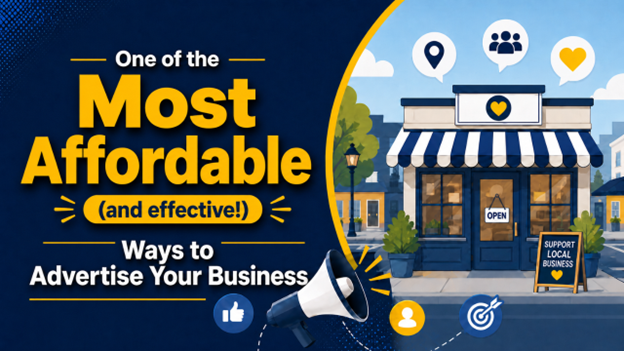
Marketing gets expensive fast. Even social media, which used to be one of the cheapest avenues for exposure, requires paid placement these days. But while social media is still affordable, and targeting is pretty good, if you don’t choose your audience effectively, you’re paying for people to see your content event though they’ll never buy from you or aren’t in your target market. You’re also getting charged for anyone who clicks—could be your competitors or even your friends who unknowingly click on your ad wondering what you’re up to. And for those of us with a marketing budget, it’s essential to decide where to spend your time and money so your business is seen by the right people, in the right places, without draining resources. The Chamber Can Help Most chambers offer marketing and advertising opportunities designed specifically for attracting local buyers. Because the chamber is built around community visibility, trusted relationships, and repeated exposure to people who already care about the local economy. In other words, you’re showing up in front of a connected business audience for pennies on the dollar. The most familiar opportunities are often the easiest place to start. Many chambers offer: · website banner ads · member directory · newsletter advertising These tools may sound simple, but they put your business in front of members, community partners, residents, event attendees, and regional decision-makers on a regular basis. Best of all, the chamber’s reputation vouges for you. Your business must be reputable because it’s associated with the chamber. A chamber newsletter spot, for example, reaches people who have chosen to hear from the chamber. Your message arrives inside a trusted communication channel rather than fighting for attention beside vacation photos, political arguments, and someone’s aggressively filtered beach pic. Website ads and directory upgrades can also help people find you when they’re actively looking for a local provider, vendor, restaurant, service, or expert. They’re looking to buy; they’re a warm lead. · Members at Builder Membership Tier and above have banner ads included in their benefits. They are also available for additional purchase. · Be sure to login to your membership center and update/personalize your directory listing- this can increase SEO. Your membership center will also provide an advertising ROI. · Our two regular newsletters are available to our members- Working Wednesday, all members are eligible to advertise their open positions. Community News, all members are welcome to share announcements/upcoming events for the wider community. ------------ Social Media Social media exposure is another common chamber benefit. Depending on your chamber’s offerings, that might include: · member spotlights · ribbon cutting posts · anniversary recognition · event promotions · behind-the-scenes features · shared announcements. These posts can help introduce your business to new audiences while reinforcing your connection to the local business community. · Member Spotlights- Drawn for at our monthly Chamber Coffees. Attend for a chance to win! · When a member hosts a ribbon cutting with us, we share pre and post event to social media and our newsletter. · Again, feel free to send us a flyer about an upcoming event: Office@LLChamber.com or to submit a Press Release · For behind-the-scenes and shared announcements, we also suggest posting to our Facebook Group, Chamber Connect ----------------- Sponsorship Opportunities Then there are event-related sponsorship opportunities, which are often some of the strongest ways to build visibility. They can put your business in the room with people who are already engaged. You may be able to sponsor a: · networking event · luncheon · workshop · awards program · women’s events · Leadership program · economic update The sponsorship opportunities vary by chamber, but can include speaking moments, table displays, introductions, program ads, signage, attendee lists when appropriate, access to leaders and decision makers, and follow-up promotion. Events also give your business something digital advertising can’t always provide—presence. People remember who welcomed them at the door, who sponsored the coffee, who hosted the mixer, who shared a helpful resource, or who made the experience better. Visibility feels different when it’s attached to a real interaction. · Would you like to host a 2027 Coffee? Or perhaps be put on a list of subject-matter experts ? Contact us and let us know! · It’s early, but if you want to sponsor a 2027 Banquet Award, we’ll save the spot! · Interested in sponsorship of our Women’s Division, Leadership Program, GAC, etc.? We have options for you! From becoming a Program Supporter ($250) to sponsoring an event, we can work with whatever format you’re looking for. ------------------------- Printer Materials Some chambers also offer advertising through printed materials such as: · visitor guides · welcome packets · event programs · digital resource pages These can be especially useful for businesses that serve newcomers, tourists, employers, families, or people making purchase decisions tied to location and quality of life. · We maintain brochures in our lobby for anyone coming by for information, and also send out packets as requested. If you'd like to include brochures/business cards about your business, feel free to drop them by. · Some of our special events include programs- check out event sponsorships to get listed. · Periodically we create resources for distribution, or people request specific industry lists for reference. Being a Chamber Member guarantees you a spot on those references. But the best chamber marketing opportunities aren’t always listed neatly on a rate sheet. Tailored Opportunities with the Chamber Talk with your chamber to find out if they offer customized annual packages. If you have a specific goal (or audience) in mind such as reaching small business owners, building name recognition, launching a new service, recruiting employees, connecting with civic leaders, supporting a cause, or becoming more visible in a certain industry sector, the chamber can help. Instead of buying one ad here and one sponsorship there, an annual package can create a steady visibility plan. It might combine newsletter ads, website placement, social media features, event sponsorships, speaking opportunities, program ads, and community-facing promotions into one coordinated approach. That kind of consistency helps people see your business more than once, which is useful because most people need repeated exposure before they remember, trust, or act. A custom package can also make your marketing budget easier to manage. You know what you’re investing for the year, what exposure you’re receiving, and how your business will show up across chamber channels. For many businesses, that’s far more practical than making one-off decisions every time an opportunity appears. There are options for every budget, even limited ones. A smart, affordable placement used consistently can outperform a bigger one-time splash that disappears after a week. The goal is to be visible in ways that feel aligned with your business and useful to the audience. In a noisy and crowded marketplace, being seen as a familiar, invested, community-minded business is a great place to be. And it’s especially appealing when you can get there and still have extra money in your marketing budget. To discuss a personalized package option, please contact us! Office@LLChamber.com Read More : 6 Ways Your Chamber Can Help You Win in 2026 15+ Inexpensive Ways to advertise Your Business Beyond the Mixer: Maximizing Your Chamber Membership Local Business Partnerships Strengthen Communities and Drive Growth Your Chamber Listing Matters More than Ever Christina Metcalf is a writer and women’s speaker who believes in the power of story. She works with small businesses, chambers of commerce, and business professionals who want to make an impression and grow a loyal customer/member base. She is the author of The Glinda Principle , rediscovering the magic within. _______________________________________ Facebook: @metcalfwriting Instagram: @christinametcalfauthor LinkedIn: @christinametcalf5
If you ask a small business owner where most of their opportunities come from, you’ll usually hear some version of the same answer: referrals, word of mouth, “someone who knew someone.” Behind nearly every thriving local business is an invisible network of relationships quietly moving opportunities from one person to another. No big announcements. No flashy campaigns. Just a steady flow of trust being passed along behind the scenes. This is how local economies work. Not just through marketing. Not just through pricing or location. But through connection and loyalty. And those connections take time. The Network You Can’t See (But Feel Every Day) Think about how business really gets done in your community. A contractor needs an electrician and calls someone they’ve worked with before. A new homeowner asks their real estate agent for someone who builds fences or builds organization in garages. A banker hears a client mention they’re expanding and connects them to a commercial realtor. A consultant introduces two clients who could benefit from working together. None of this shows up in a formal report. But it drives real revenue, real growth, and real stability. These moments happen because of relationships. And more importantly, because of trust. When one business refers another, they are putting their own reputation on the line. That doesn’t happen casually. It requires the confidence that the other business will deliver. Over time, these small, consistent exchanges create a network that becomes one of the most valuable assets a business can have. Why This Matters More Than Marketing Alone Marketing gets attention but relationships get action. That’s because people are more apt to act on a word-of-mouth referral than a fancy ad campaign. When someone they trust says, “You should call them,” the decision is already halfway made. That’s the difference between being visible and being chosen. For small businesses especially, this invisible network often outperforms traditional marketing efforts. It’s more targeted, more credible, and more likely to lead to long-term customers. And best if all—more affordable. But you don’t automatically become part of that network just because you opened your doors. You must become known. Build trust through the quality of your good or services. And you have to be top-of-mind when the opportunity arises. There’s no ad campaign that can make that happen for you in a few hours. It’s a commitment to quality. It takes time to build a fully functional referral engine. How Businesses Get Left Out Businesses struggle when they’re disconnected from the flow of relationships in their community. You can do great work and serve your customers well, and still be an unknown. If that’s the case, when opportunities move through the network, they’ll move right past you. People refer who they know. Which means being good at what you do is only part of the equation. Being known for what you do is the other critical half. Where the Chamber Comes In This is where the chamber plays a much bigger role than many people realize. A chamber isn’t just hosting events and sending newsletters. It actively shapes the invisible network of the business community. And chamber membership is like the golden ticket to the business community, if you use it. Every conversation sparked between two members has potential because every time someone learns what another business does, a new connection point is created. The chamber becomes the place where relationships begin, strengthen, and multiply. These introductions are the starting points for future referrals, collaborations, and opportunities. The Compounding Effect of Connection The real power of this network is not in one introduction. It’s what happens over time. You meet one person. That person introduces you to another. That connection leads to a project. That project leads to a referral. That referral turns into a long-term client. And it works the other way too. Maybe you’ve been doing your own books and now you’re ready for someone else to take it over. You know that people you meet through the chamber have a connection to the community. Now multiply those introductions and referrals across dozens or hundreds of relationships. It’s why consistent engagement matters. Showing up once is helpful. Showing up regularly is what builds recognition. And recognition is what leads to being top of mind when opportunities move through the network. A Simple Shift in Perspective Many business owners think of networking as something they must do or conversely don’t have time for. The more useful way to see it is this: You are not just attending events or meeting people. You are positioning your business inside a living, moving network of opportunity. Every conversation makes known who you are and what you do. Every relationship increases the likelihood that someone will think of you when the right moment comes. Every time someone sees you in the community you’re building on that top-of-mind recognition. And those moments happen quietly. In conversations you’re not part of. Between people who trust each other. That’s the invisible network you want working for you because when you’re part of it, your business doesn’t just rely on cold calling and mailers. Interested leads start finding you and wanting to work with you before they’ve even read your marketing copy. Read More: 5 Customer-Focused Strategies to Build Loyalty and Drive Growth Hospitality is the Hidden Edge: Why Emotional Connection Drives Customer Loyalty Local Business Partnerships Strengthen Communities and Drive Growth The New Networking: Why Strategic Alliances Beat Surface-Level Contacts The Referral Engine: How to Get People Talking About Your Business --------------- Christina Metcalf is a writer and women’s speaker who believes in the power of story. She works with small businesses, chambers of commerce, and business professionals who want to make an impression and grow a loyal customer/member base. She is the author of The Glinda Principle , rediscovering the magic within. _______________________________________ Facebook: @metcalfwriting Instagram: @christinametcalfauthor LinkedIn: @christinametcalf5

QR codes have faded in and out of popularity over the past decade, but they’ve finally surpassed trend status and they’re here to stay. They are convenient ways to drive traffic to desired information or action platforms. When used with intention, QR codes quietly remove friction and move customers exactly where you want them to go. QR codes are great for information that could change such as daily specials. QR code stickers can also update old info on printed materials (perfect for the extremely budget conscious business) as in the case of a move and old business cards. Slap a QR code sticker on the cards directing scanners to info on your new locale. Whether QR codes are effective in your business or not depends on how you’ve been using them. This guide will help you use QR codes the smart way, without annoying your customers or wasting valuable space. Start With One Clear Job Every QR code should do one thing well. Not three. Not “menu, reviews, newsletter, and follow us on Instagram.” Before you generate a code, finish this sentence: “When someone scans this, I want them to _____.” Order ahead. Pay a bill. Join a waitlist. Watch a demo. Book an appointment. Leave a review. If you can’t answer that clearly, the QR code isn’t ready yet. Confusion kills scans faster than bad Wi-Fi. Match the QR Code to the Moment Context matters more than placement. A QR code on a table should help someone who is already seated. A QR code at checkout should help someone who is already paying. A QR code on packaging should help someone who already bought. Too many businesses ask customers to change mental gears. Someone standing in line does not want to read your brand story. Someone browsing your storefront does not want to fill out a five-field form. Ask yourself what problem exists in that exact moment and solve only that. Send Them to a Mobile-friendly Destination This sounds obvious but it is also the most common mistake. If your QR code leads to a desktop-only website, a tiny PDF, or a page that takes more than three seconds to load, you’ve lost the scan. Best practices here are non-negotiable: • Mobile-optimized page • Minimal text • Clear headline • One primary action • No pinching or zooming required A QR code is an express lane. Don’t route it through construction. Tell People What They’ll Get Never assume people will scan just because a square exists. Add a short, human instruction: · “Scan to view today’s specials” · “Scan to reorder in under 30 seconds” · “Scan for the how-it’s-made video” You’re not selling the QR code. You’re selling the outcome. The more specific the payoff, the higher the scan rate. Use Dynamic QR Codes Whenever Possible S tatic QR codes are set in stone. Dynamic QR codes let you change the destination later without reprinting anything. That flexibility matters more than you think. Menus change. Links break. Campaigns evolve. A dynamic code protects your investment and lets you adapt without starting over. It also gives you data. Scans by time, location, and device help you see what’s actually working instead of guessing. Design for Visibility, not Decoration QR codes do not need to be pretty. They need to be scannable. Follow these design rules: • High contrast between code and background • Adequate white space around the code • Large enough to scan from the intended distance • No visual clutter nearby If someone must tilt their phone, squint, or move closer than expected, the moment is gone. Brand colors are fine. Artistic distortion is not. Respect Trust and Privacy Customers are cautious. A QR code that feels sketchy will be ignored. Avoid sending people directly to: • Download prompts without explanation • Login walls • Overly long forms • Anything that looks unrelated to where they are If you’re collecting information, say so. If you’re offering value, lead with that. Trust is part of the user experience. Test Like a Customer, not an Owner Scan every QR code yourself. Then have someone else scan it. Try different phones. Try different lighting. Try it on cellular data, not office Wi-Fi. Ask: • Does it load quickly? • Is it obvious what to do next? • Would I scan this again? If the answer isn’t a confident yes, fix it before it goes live. Measure Results, Then Prune QR codes are not “set it and forget it.” Check performance monthly. Retire codes that don’t get used. Improve the ones that do. Replace vague destinations with clearer ones. A few high-performing QR codes will always beat a dozen ignored ones. Note to restaurants and those employing QR menus: COVID created a need for using QR codes to replace physical menus. Some restaurants (and service providers) are enjoying the freedom and cost reduction from using these codes instead of paper menus. There's nothing wrong with this unless your audience finds it annoying. Understand the demographic you're serving and their preferences. Some groups find the lack of a physical menu to be a barrier instead of a quicker way to see it. If that's the case with your audience, you may be losing money because they don't feel like scanning the QR code again to view the drink or dessert menu. Upsells and additions will be less likely. Used well, QR codes are invisible helpers. They shorten lines, speed decisions, and remove tiny annoyances your customers may never articulate but absolutely feel. But remember: the goal isn’t more scans; it’s smoother experiences. Read More: - How Small Businesses Can Lead Innovation - How to Make Time for Innovation - Keeping Up with Tech ------------ Christina Metcalf is a writer and women’s speaker who believes in the power of story. She works with small businesses, chambers of commerce, and business professionals who want to make an impression and grow a loyal customer/member base. She is the author of The Glinda Principle , rediscovering the magic within. _______________________________________ Medium: @christinametcalf Facebook: @tellyourstorygetemtalking Instagram: @christinametcalfauthor LinkedIn: @christinagsmith
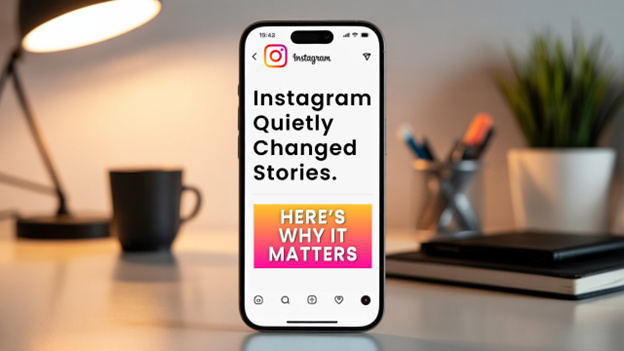
For years, Instagram Stories have been like the “cool kids table” of your account: mostly seen by people who already follow you. Great for connection, not great for discovery. That’s changing and businesses should be pretty excited about this. Instagram now lets people reshare public Stories to their own Stories, even if they weren’t tagged. There’s typically an “Add to Story” option when viewing a public Story, and you can control this in your settings. If you’re a small business trying to reach beyond your current followers, this is not a tiny tweak. It’s a built-in word-of-mouth engine. Get Ready for Greater Reach When someone shares your Story to their Story, you get access to their audience without paying for ads or begging the algorithm. It’s like your best customer offering to hand out a stack of your flyers while telling their friends how amazing you are. How this helps you reach your audience: · UGC gets a turbo boost. A customer posts a Story with your product, you reshare it, then their friend reshares it again. That’s a visibility ripple that used to be harder to create on Stories. · Collabs become easier. You no longer have to rely on being tagged for someone to amplify your Story. (But don’t give up tags. They’re still good for attention.) · Your “helpful micro-content” can spread. Quick tips, behind-the-scenes, mini tutorials, reminders, myth-busting, weekly specials. If it’s share-worthy, it can move. Make Stories “share-ready.” · Add one clear takeaway per Story frame (tip, reminder, offer, before/after). · Use text overlays so it makes sense with sound off. · Add a simple prompt: “If this helped, share it to your Story.” (Yes, you can ask. People like being helpful.) · If you want Stories to stay more private-community-only, you can toggle sharing off in Settings → Sharing and reuse → Stories to stories. Early Access Reels: reward followers, attract new ones Instagram is also testing Early Access Reels. The idea: your Reel is shown to followers first, and non-followers who run into it may see a teaser plus a prompt to follow to unlock it, often with a timer for when it becomes available to everyone. Think of it like a velvet rope in an art museum. Without it, what’s hanging on the wall is just a picture. Place a velvet rope in front of it and it has instantaneous importance above all other works of art. Why this matters for small businesses: · You’re training loyalty . Followers get “first dibs” on announcements, drops, limited inventory, new menus, event registration, or seasonal services. · You turn curiosity into follows . If someone lands on your profile from a share or search and sees an Early Access teaser, the follow decision gets easier. · You can build social proof before the wider push . Post early, let your people engage, then later repost or repackage as a broader reach play. Features like this often roll out in phases and may not show up on every account right away but when they do show up on your account, you’ll be ready. Editing Upgrades That Make Your Content Feel “Bigger Than Your Budget” Instagram has been stacking practical creator tools, especially around video. Bulk Caption Editor (in Edits): Instagram’s Edits app has added bulk caption editing so you can view and adjust a transcript in one screen instead of hunting line-by-line. This is a time-saver and an accessibility win. Automated audio control / volume ducking: More tools are rolling out to help balance voice and music, so your Reel doesn’t sound like it was recorded inside a blender. Better audio = more watch time = better reach odds. Creative editing features: Edits has been shipping frequent upgrades (effects, sound effects, planning tools like storyboards). The bigger point is this: Instagram is incentivizing better-made video because it keeps people watching. “Your Algorithm” Means People Can Tune What They See Ever feel like you only see puppy Reels? Or maybe you hesitate to click on something because you know your stream will be filled with similar videos. No longer. Instagram is rolling out more controls that let users shape their Reels recommendations, including a feature often described as “Your Algorithm.” Users can view topics Instagram thinks they like, then adjust those interests. For businesses, the takeaway is simple: clarity beats variety. If your content is all over the map, you’re harder to categorize and easier to swipe past. If you’re consistently posting about a few topics your customers care about, you’re easier to recommend (and be seen). Emojis Still Matter, but Use Them Like Seasoning, not Confetti Do I hear clapping? Never mind. That’s me. Emojis can increase engagement and help your message land faster, especially in captions and comments. The expert business move is to use them with intention like pepper to bring out flavor in your posts, not to smoother them: · Use emojis to organize (bullets, steps, quick scans). · Match tone to brand (you’re allowed to have a personality). · Don’t “emoji spam” as a growth hack. People can smell that from three scrolls away. A Simple 7-Day Plan to Use These Updates Without Adding Chaos Day 1: Turn one FAQ into a 3-frame Story that’s easy to share. Day 2: Post a customer win (user generated content or testimonial) in Stories with “Share if you know someone who needs this.” Day 3: Record one Reel with clean captions (bulk edit if you have Edits). Day 4: Make one “saveable” tip carousel or mini tutorial. Day 5: Do one behind-the-scenes Story and invite resharing. Day 6: If you have it, test an Early Access Reel for an announcement or limited offer. Day 7: Check what got shared, saved, and replied to. Double down on that format next week. Instagram is quietly turning Stories into a bigger distribution channel and turning follower relationships into a stronger growth lever. If you make content that’s genuinely useful and/or entertaining, people will do the sharing for you. Just give them something worth passing along. Read More: 15 Ready-to-Use Social Media Captions for Business Owners Reels and Groups: What people Are Talking About Your Community Is Your Best Marketing Tool ------------- Christina Metcalf is a writer and women’s speaker who believes in the power of story. She works with small businesses, chambers of commerce, and business professionals who want to make an impression and grow a loyal customer/member base. She is the author of The Glinda Principle, rediscovering the magic within. _______________________________________ Facebook: @metcalfwriting Instagram: @christinametcalfauthor LinkedIn: @christinametcalf5

Small Business Season brings a beautiful rush or familiar faces and new customers. Your business is abuzz with activity and you’re doing the hard work. You’re showing up. And yet, you could be leaving opportunity on the table simply because life gets busy and marketing gets…well, pushed to the corner like a forgotten present in the back of the closet. That’s why when it comes to marketing, you need to go for the low-hanging fruit, the easy wins. Many businesses rely heavily on their email lists and that’s great. Those lists can be gold. But this time of year, inboxes are overflowing and it’s easy for even your most loyal customers to miss something. Here are five areas worth a gentle tune-up. These missed chances can deepen connection and spark repeat visits with very little effort. Treat Loyal Customers Like Insiders If someone chooses your business again and again, they’re not casual shoppers. They’re your people. Don’t rely on email alone to keep them updated. When they’re already in front of you, share what’s coming up. Something as simple as “By the way, we’re doing a holiday sip-and-shop next Thursday if you want to swing by” creates a moment of attention. Loyal customers love being in the know. Give them that moment. Don’t expect them to see every email. They’re as busy as you are during the holidays. A gentle reminder or heads up can ensure they make it to your next event or special. You have more than sales to gain by doing this (or lose if you don’t). If you’re hosting a big event (particularly one that will sell out), your most loyal customers may feel slighted if they don’t know about it until it’s too late. Telling them “you should’ve received an email” won’t make them happy if it’s something they wanted to attend and now it’s sold out. Post Your Specials Where People Actually Stand Storefronts are full of magic this time of year, but too often the only place a December deal exists is…in a newsletter or email. Add in-store signs, table toppers, checkout prompts, or a simple “What’s happening this week” board. Sure, some customers may forget the second they step into the parking lot. But many won’t. A quick snapshot of a sign or a note in their phone is all it takes to turn a one-time visit into a planned return. Make Your Social Feed a Living Bulletin Board People scroll while waiting in line. They scroll when they can’t sleep. They scroll when Aunt Linda starts talking politics. They’re scrolling even during the busiest time of year—especially during the busiest time of year. During the holiday season, don’t be shy about posting reminders, deals, behind-the-scenes teases, and event invitations. You’re not being repetitive. You’re helping your fans remember you in a noisy season. Create a Simple In-store “Highlight Moment” If someone discovers something delightful when they visit—whether it’s a staff favorite, a limited-edition item, or a seasonal service—give them a reason to mention it to a friend. A simple prompt like “Perfect for holiday gifting” or a tiny card explaining why it’s special creates a moment customers can repeat later. You’re giving them a story to share, and stories travel farther than coupons. Additionally, if you see someone hesitating on a purchase, surprise them with a discount on the spot. You can tell them Santa just informed you they were on the nice list and deserved a little something extra. If another customer overhears the offer, extend one to them too. A purchase is better than a stroll in and out of your store. You can also do this via text. Send them a message telling them you heard from Santa or they “won” is discount or bonus with purchase. The thrill of the surprise may bring them in. Invite the Next Step While They’re Still Smiling Small Business Season is full of warm exchanges: conversations at the register, compliments on décor, “I love this place” moments. Those are perfect openings to invite one more action. A follow-on step could be: • joining your text list for specials • grabbing a punch card • picking up a flyer for next week’s event • taking advantage of a “today only” add-on People are most receptive to engagement at the moment they’re enjoying your business. Use that natural goodwill. A Final Marketing Reminder The goal isn’t to cram more marketing into your December. We know you’re already busy. It’s to make the most of the interactions you already have. You’ve worked hard to bring customers through the door. A few small, thoughtful touches can turn those holiday visits into return trips long after the lights come down. If you have a special event, promotion, or sale coming up, let us know about it . We’d be happy to spread the word. Read More: 5 Customer-Focused Strategies to Build Loyalty and Drive Growth 9 Customer Loyalty Programs that Work Win at First Impressions

We made it through Small Business Saturday, and we hope it was a great one for you. But guess what? The holiday season shifts into high gear from now on. Foot traffic gets wild, inboxes overflow, and your customers are juggling a million decisions at once. They’re feeling the pinch of not having enough time. In the middle of all that zaniness, your biggest advantage as a small business is the experience you create and the connection you keep. People want to support local. They just need reminders that you’re here, you’re human, and you’re worth choosing. Here are simple, sustainable ways to stay engaged all month long without adding stress to your plate. Show the “Real Life” Moments Behind the Scenes People love feeling like they’re part of the process. A quick photo of your team wrapping orders, prepping inventory, or laughing their way through a busy day makes your business feel warm and relatable. No polish required. A little authenticity builds a lot of loyalty. Use Countdowns That Build Excitement You don’t have to be a big-box brand to create anticipation. Try a countdown to shipping deadlines, holiday bundles, in-store specials, or even a “12 days of local shopping” series. It keeps you top-of-mind and gives your audience a reason to come back tomorrow. Spotlight the Customers Who Keep You Going Feature a shopper of the week, share a heartwarming review, or highlight a longtime supporter. Even better, ask customers to tag you so you can repost. These little spotlights do two things: they show gratitude and they hint to others that they could be featured next. You don’t have to be in retail to participate in this for the holidays. One veterinarian decided to post a picture of the “Pet of the Month” in the lobby and now all their clients want to know how they can get their pet featured. Say a Genuine Thank You—And Say it Often In the holiday rush, people crave sincerity. A quick post thanking your community for shopping local makes a bigger impact than you think. Gratitude reminds people they’re participating in something meaningful, not just making a purchase. When people buy from you, don’t just thank them. Go a step further and tell them why it means so much to you. A couple of extra words can make them feel like hometown heroes. Additionally, if you had someone who just bought a lot from you (or someone who buys on a regular basis), send a handwritten card offering a discount. It doesn’t even have to be large ( or it could be based on another purchase, like a “buy one, get X% off the second one”). It’s much easier to get a past customer to buy again than a new customer. Repurpose Your Content Across Platforms You don’t have to reinvent anything. A behind-the-scenes video becomes a Reel, which becomes three photos for Facebook and a carousel post, which becomes a still image for your Google Business profile. A customer spotlight or Google review can double as a testimonial on your website. Make your content work harder for you. Share Small, Helpful Reminders Post your hours, gift ideas, top sellers, or last-minute stocking stuffers. Highlight easy wins like “order online, pick up in store,” or “gift cards available.” These practical posts reduce friction and help customers make quick decisions. Ever wonder why candy is right next to every cash register? It’s an easy impulse buy. When you make suggestions or bundle products for ease and value, it helps your customers take quick action. After all, as much as we all love the holidays, they’re a lot of work and any help we can get from others to lessen decision fatigue makes our lives easier. Lean into Community Connection When you’re local, you have something bigger than any national chain: roots. Celebrate other small businesses, share local events, or partner with a neighbor for a cross-promo. Customers love seeing small businesses support one another. Spur on Impulse Buys There are some things people always need more of during the holidays. If you operate that sort of business, consider a “secret” bonus offer that is revealed at the register and they have only minutes to decide. This worked well at a winery. When customers purchased one or more bottles, they had the opportunity to buy additional bottles in that transaction for 20% off. It was a great way to incentivize people to make a quick decision on something they knew they would use ( or could give as gifts or hostess presents). Close With Consistency, Not Perfection You don’t need a massive campaign to stay connected this month. You just need regular touchpoints that feel personal and true to who you are. Show up consistently, give people something to smile about, and remind your audience why shopping small matters—not just on Small Business Saturday, but every day this season and beyond. If you keep customers feeling included, appreciated, and excited, you won’t just ride out the holiday craziness. You’ll turn this month into momentum for the new year. -------------------------- Read More: Building a Fanatical Following with Email How Real Stories are Boosting Business Sales How to Win Over Customers with Emotional Marketing

Even with concerns about the economy being on every newscaster’s lead story, the holidays haven’t been cancelled. Your customers are still planning to celebrate. The question is not “Will they spend?” It is “Where, how, and with whom?” Here is the good news: national forecasts say 2025 holiday retail sales are expected to top 1 trillion dollars for the first time, with overall growth around 3.7% to 4.2% over last year. Online spending alone is projected to hit roughly $253 billion , up more than 5% from 2024. Here is the tension: despite those industry predictions, individual shoppers say they plan to cut their own holiday spending by about 10%, mostly because of higher everyday costs. They still want to honor traditions, but they are trimming extras and searching for real value in every dollar. While it may not always feel like it, there is plenty of money moving through the season. But it won’t land with businesses that look generic or transactional. It will go to the places that feel worth it. So what can you do to be recognized as one of “those places”? You need to show value and create memorable experiences to attract your community’s dollars right back into local storefronts. You can do this by: 1. Sell Solutions, Not “Stuff” When people feel financially tight, they become laser-focused on solving gift-giving challenges. Reframe your offers around that instinct. Create named bundles that solve a specific holiday headache “Holiday Hosting Rescue Kit,” “Teacher Gift in a Bag,” “Self-Care Sunday Set,” “New Year Refresh Box.” Put everything they need together, price it clearly, and show the “compare if you bought separately” value. Build “good / better / best” options Give three price points for your most popular services or gift sets so people can stay on budget without walking away altogether. Put the value in writing Use shelf talkers, cards, or social posts to explain why something is a smart buy: durability, local sourcing, free refills, included follow-up, or time saved. Make the math visible. 2. Turn Your Space into a Mini Holiday Experience If customers can get the same item online, your edge is the experience. It does not have to be expensive or elaborate to be memorable. Try a few of these: “Five-Minute Reset” station Offer a quick chair massage, essential oil hand rub, hot cider sample, skincare mini consult, or stretching corner. Market it as “your five-minute break from the chaos” to draw them in. Wrapping or personalization bar Offer free or low-cost gift wrapping, hand-lettered tags, simple engraving, or custom notes. Offer an upsell with festive ornaments and ribbon on the packages. Partner with another local creative if you do not have staff capacity. Micro events that do not overwhelm your team Think 60–90 minute happenings: · “Bring Your List” shopping night with one-on-one gift suggestions · “Ask the Expert” Q&A for holiday makeup, tech setup, or wellness · Kids craft corner so parents can shop in peace 3. Collaborate so Your Offers Feel Bigger Than Your Budget In a cautious economy, partnerships are one of your strongest tools. They expand your reach without expanding your costs. Try sharing your spotlight. Feature each other on social with quick “If you are here, also check out…” reels or posts. Tag the chamber so they can amplify. Customers see a thriving, interconnected local scene, not isolated businesses struggling alone. You can accomplish a similar boost by creating a list of your favorite holiday things in town including businesses and events you love or create a video of “Here’s where I plan on doing my holiday shopping” and share why. 4. Help Customers Feel Like Financial Grown-Ups, Not Guilty Spenders This year, people are highly aware of prices and tired of surprise bills. If you help them feel in control, they will trust you more. Promote “planned generosity,” not impulse splurging Run early “Plan Ahead & Save” weeks where shoppers who bring a list or spend over a certain amount can lock in gift-wrapping, free add-ons, or January discounts. Make it about smart planning, not scarcity panic. Offer clear, fair payment options If it fits your business, consider buy-now-pay-later, deposits on larger services, or simple payment plans. Be transparent about terms. Position it as budget-friendly, not pressure. If you can, eliminate the credit card usage upcharge that businesses are implementing today. No one feels good about paying your credit card fees, especially when they spend a lot of money. If you can’t eliminate them, remarket them. Instead of saying “there’s a 3% convenience fee for using your credit card, have the price tag reflect the credit card price and give cash users a discount. Don’t penalize people for using a card. Incentivize them to use cash. Teach tiny money wins Content is powerful here. Short posts, emails, or in-store signs like “Three gifts under $30 that still feel luxe,” or “How to build a skincare routine under $75” prove you are on your customers’ side. Don’t make customers think about value. Point it out to them. 5. Use Digital Tools to Capture Online Spend, Not Compete With It With online holiday spending expected to grow over 5%, you do not have to beat the big players. You need to meet your customers where they already scroll and shop. Make it easy to buy from you without coming in Even a simple “DM to purchase,” online invoice, or quick checkout link is better than “Call the store.” Turn experiences into content Film your “Five-Minute Reset,” passport events, or behind-the-scenes prep for short reels. Show your inventory on a reel. Add clear “Here is how to get this” instructions in the caption. Feature value loud and clear Pin posts that show your bundles, your warranties or guarantees, your local impact, and your limited-time perks. People are scrolling quickly. Make the “why you” obvious. Don’t worry about a gloomy economy. It won’t cancel the holidays but it does force you to be sharper, more creative, and more community-minded. If you can show value, design small but meaningful experiences, and work together, your business will not just survive the season. It will become part of how your neighbors remember it.
The holiday season is a make-or-break time for many small businesses.

As a business in our town, we want to help you this holiday season. But we also need some assistance from you. As part of Small Business Season (November 1- December 31), we’re trying to bring awareness to the importance of shopping local. Every time someone buys from a business in our town, something bigger happens than a simple transaction. Those dollars circulate through the community, supporting local jobs, funding community improvements, and creating a stronger local economy. According to studies, for every $100 spent at a locally owned business, roughly $68 stays in the community (as opposed to $43-48 when you buy online). That money helps pay employees, supports local charities and children’s programs, and keeps the lights on for other small businesses. It’s a powerful reminder that shopping local isn’t just about convenience or sentiment. It’s an investment in our shared success. As Small Business Season kicks off, it’s a great time to think about how your business fits into that story. Whether you run a retail store, a restaurant, a service company, or a home-based business, you play a part in shaping the local economy both as a provider of products and/or services and as a supporter of our community. Why It Matters to You, to Us, to Everyone It’s easy and convenient to order online but it doesn’t do as much for our community. That’s why this Small Business Season, we’re trying to educate our residents on the importance of where they spend their money. We’re asking you to help get the word out. When people understand the impact of their purchases, they’re more motivated to support local businesses. Suddenly the convenience of hitting a button doesn’t look as appealing as the appreciation they see in your eyes. How can you help? We have an easy way that you can start today. Tell Your Story You want to put a face and personality behind your business and that starts with storytelling. Share: Your personal “why.” What makes your business unique. What you love about being local. How you contribute to the community. What your family or staff loves. A picture of something in your business (or your holiday décor). Why you started your business or talk about someone who helped you along the way. What keeps you inspired. What local causes you support and why. A favorite business memory or that point you realized you were meant to do what you’re doing. These personal details are what turn shoppers into loyal supporters in the same way that getting to know someone better builds the relationship. Speaking of building relationships, here are two simple ways to start showing up in the community (and don’t be afraid to wear your branded apparel when you do): Collaborate with nearby businesses to amplify each other’s messages about buying local. We can help you with introductions, if you need them. Display a “Small Business Season” sign or “Chamber Member” sign and encourage customers to share photos when they visit. The more we work together to elevate small businesses and help our residents (and visitors) understand why every purchase here has a purpose, the stronger our community becomes. Can we count on you to be part of this message? ------------------ Looking to read more about Shop Local? - Announcement Post - 16 Questions to Use to Prepare for Small Business Season Success - Maximizing momentum From Small Business Season
Simple Formats That Keep Your Customers Reading (and Buying)

Think of the person in your circle (even tangentially) who comes to mind when you read the word, “boring.” Who is it? Now ask yourself why you think they’re boring. It’s your opinion, right? Maybe all they do is talk about sports or maybe when you’re talking about sports, they want to talk about the weather. Perhaps they’re not boring at all. Maybe it’s just that you don’t have mutual interests. If your business is struggling to attract loyal customers, it might be that you’re suffering from the same thing. Maybe you’re talking about things your ideal customer doesn’t care about. It’s time to get their attention and become much more interesting to them. The Problem with Basic Marketing The problem many businesses face when it comes to their marketing message isn’t that they are inherently boring. It’s that what they choose to make their message is not something that appeals to their ideal audience. To captivate that audience, you need to first understand who the audience is, then present something that they need/want, and make that solution plausible/believable. But sadly, most businesses and professionals describe their services in generic ways that sound dreamy but completely inactionable or boring such as: A life coach who writes, “I help people follow their dreams.” Or a bakery that posts, “We sell cookies.” Why Generic Messaging Falls Flat Now before you argue, “But it’s what we do,” consider this: when was the last time you searched, “How do I follow my dreams?”? While you don’t have to go into long descriptions about what you do and how you do it, you do need to help your ideal client think to themselves, “That’s what I need.” It’s time to tighten up your marketing message. 1. Identify who you’re speaking to and be specific. Is it moms? Doctors? Students? Who will see the most help from your offerings? 2. Solve a problem they already have. Marketing your product or service will be so much easier if you’re selling something they already know they need. 3. Use language that fits what they’re looking for. Again, very few people are googling, “How do I follow my dreams?”. 4. Show how you can help them get what they want. Your customers have needs, wants, and struggles. They need to trust you understand what that is and can help them. 5. Line up testimonials that speak the same language. If you go through all the work to craft your marketing message, you want to use testimonials that reinforce it. So, let’s put that all together. Remember the life coach who helped people follow their dreams? We’re going to transform that message from meh to mesmerizing. Step 1. Identify the audience Instead of using the generic “people,” the life coach drills down to the realization she works best with mid-career professional women who feel stuck in unfulfilling jobs. Step 2. Solve a problem they already have Their problem isn’t “I can’t follow my dreams.” It’s “I’m burned out in my career and don’t know how to pivot without starting over.” Step 3. Employ the language they’re actually using Her ideal client is more likely searching for phrases like “career change at 40,” “how to find a meaningful job,” or “get unstuck in my career” than “follow my dreams.” Step 4. Show how you can help them get what they want These professional women don’t just want “dreams.” They want clarity, confidence, and an actionable plan to shift into work that lights them up and pays the bills. Step 5. Align testimonials Instead of posting a generic “she helped me follow my dreams,” a stronger testimonial would read something like: “I went from dreading Mondays to launching a consulting business I love. She gave me the tools to make the leap with confidence.” And you could get a testimonial like that by asking a successful client, “What’s changed in your life after working with me? Where were you before and where are you now?” That leads the client into formulating something much more substantial than, “She helped me so much.” Are you ready for the revamped marketing message/elevator pitch? Instead of “I help people follow their dreams,” it’s now… “I help professional women in their 40s who feel stuck in unfulfilling careers gain the clarity and confidence to pivot into work they love without sacrificing income or starting from scratch.” Hear the difference? Now we know exactly who can benefit. There’s no mistaking it and anyone thinking of giving this life coach a referral knows who she’s looking to work with. Those few simple words transform the original vague promise into something specific, problem-solving, and benefits driven. And that means people hearing it and reading it will know when they are the target audience. READ MORE: Are You Accidentally Repelling Perfect Customers? Fast-Track Trust: How to Win Customers Quickly Helping Customers Move Past "Let Me Think About It" ------------------------- Christina Metcalf is a writer and women’s speaker who believes in the power of story. She works with small businesses, chambers of commerce, and business professionals who want to make an impression and grow a loyal customer/member base. She is the author of The Glinda Principle , rediscovering the magic within. _______________________________________ Facebook: @tellyourstorygetemtalking Instagram: @christinametcalfauthor LinkedIn: @christinagsmith
Mastering the Art of Sharing (but not oversharing) Your audience wants to hear from you and get to know you, but oversharing (or sharing inappropriate topics) comes with its own set of problems. Sharing engaging things about yourself will help you build the kind of connections that improve revenue and customer loyalty. If you want to help your customers (and potential customers) get to know you better, we have 15 conversation starters (and post templates you can customize) to help. 1. Your Favorite Local Spot 📍 “When I’m not at [Your Business], you’ll probably find me at [Local Spot] [verb that fits that business] on my favorite [favorite thing about that business]. What’s YOUR go-to place in town?” Example: When I’m not here, I’m at Rocco’s Bookstore sipping my favorite caramel latte and perusing the true crime books. What’s YOUR go-to place in town? 2. Morning Rituals How do you start your day? Share it with your audience. Example: ☕ “Confession: I’m 90% coffee, 10% small business owner in the morning. How do you start your day?” 3. Behind-the-Scenes Moments What is working in your line of business really like? Keep it positive but don’t be afraid to show the hard work or humor behind your day. 📦 “Behind the scenes isn’t always glamorous. Today it’s [describe something funny/chaotic or show a picture or video of what you’re working on]. What’s something most people don’t know about your line of work?” 4. Local Events You Enjoy This is a great way to give a shoutout to another business or group. 🎶 “Loved spending my weekend at [Event Name]! Who else was there? 🙌” 5. Your “Small Joys” Life can be overwhelming. Sharing what keeps you grounded can help others feel the same. 🌅 “Today’s joy: [small moment—like a great cup of coffee, a laugh with a customer, or a pretty sunset]. What made you smile today?” 6. Books or Podcasts You’re Loving 📚 “Currently reading/listening to [Book/Podcast]. It’s got me thinking about [short insight]. Any recommendations I should add to my list?” 7. Pet (or Plant) Adventures 🐾 “Meet our unpaid intern, [Pet’s Name]. Their specialties include napping, snack theft, and morale boosting. 🐶🐱 Show me your ‘coworkers’ in the comments!” People love to talk about their pets and share photos. Plus, it gives you a point of conversation when a loyal customer shares something about their precious fur baby. 8. Food Finds Give other businesses a chance to shine by asking people their favorite or giving them a scenario and asking where you should go such as, “It’s Taco Tuesday. Where are the best fish tacos in town?” or “I love the fish tacos at Julies. Are you team fish or team beef when it comes to that delicious dish?” By asking, you’ll discover people have big feelings about fish tacos (and Hawaiian pizza). 🍕 “Friday night = pizza night. Always. What’s your weekend food tradition?” 9. Music on Repeat 🎧 “On repeat in the shop/office today: [Song/Band]. Drop your current favorite in the comments—I need new tunes!” It can also help when asking for new tunes to give a reason behind your ask like a workout mix, soothing sleep, or romantic date night track. 10. Hobbies and Hopes 🏃 “Training for my first [hobby/goal]. Wish me luck! What new hobby have you picked up this year?” Not only does this connect you to your audience, but it also encourages people to try new things. This can be helpful for those who are interested in something your business specializes in. Maybe they’ve thought about starting a hobby that you’re a pro at and explaining that you started something will make them feel more welcome. For instance, if you’re a gym owner, make sure you tell people that everyone is welcome whether it’s their first workout in 20 years or their 2,001st. Conversely, if you’re for pros only be specific about that. Sometimes the hardest part of trying a new business is wondering if it’s for you. 11. Throwback Stories 📸 “Throwback to my very first day running [Business Name]. I had no idea what I was in for! Do you remember your first day at your job or business?” You can also rephrase the question and ask people what their first job was. Everyone has a first job. 12. Community Pride ❤️ “One of the things I love most about [Your Town] is [specific detail]. What’s YOUR favorite thing about our community?” 13. Your Workspace Quirks 🖊️ “True story: I will fight anyone who tries to take my favorite pen. 😂 What’s one thing you always keep at your desk?” Or ask people what drink is in front of them right now. Asking what’s inscribed on their coffee mug is also a fun question with potentially hilarious results. 14. Seasonal Traditions 🍂 “It’s officially [season/holiday]! Around here that means [tradition]. What’s your favorite tradition?” 15. Gratitude Posts “Just taking a moment to say THANK YOU to every customer who has supported us. You’re the reason we get to keep doing what we love. 💛 What’s something you’re grateful for today?” ✨ Pro Tip: Add a quick photo or short video to each of these posts (your coffee mug, your pet, your desk, your town’s mural, etc.). Visuals + these captions = maximum engagement. If you think of your posts as a conversation and not a monologue, you’ll open up a new connection between your business and your audience. That can be fun and lucrative. Christina Metcalf is a writer and women’s speaker who believes in the power of story. She works with small businesses, chambers of commerce, and business professionals who want to make an impression and grow a loyal customer/member base. She is the author of The Glinda Principle , rediscovering the magic within. _______________________________________ Medium: @christinametcalf Facebook: @tellyourstorygetemtalking Instagram: @christinametcalfauthor LinkedIn: @christinagsmith

Maybe you can’t afford a celebrity endorsement like Taylor Swift, but there are still plenty of lucrative opportunities to do something on a local scale. Influence marketing is changing. While businesses once chased celebrity endorsements and mega-influencers with millions of followers, smart companies are discovering that their most powerful brand ambassadors might already be customers or people sitting in the next booth at the local coffee shop. The Importance of the Micro-Influencer Micro-influencers (commonly considered individuals with 1,000 to 100,000 followers, although some groups refer to those with follower counts under 10,000 as nano-influencers.) are reshaping how businesses approach marketing. Unlike their celebrity counterparts, these local voices carry something money can't buy—authentic trust within their communities. Their followers aren't passive observers; they're engaged neighbors, colleagues, and friends who genuinely value their opinions. Research consistently shows that micro-influencers generate higher engagement rates than macro-influencers. A study by Influencer Marketing Hub found that influencers with fewer than 10,000 followers achieve engagement rates of 7%, compared to just 1.7% for those with over 100,000 followers. More importantly for local businesses, 82% of consumers are highly likely to follow a recommendation made by a micro-influencer. Since these micro-influencers are part of the community the buyer lives in, they’re likely to feel more connected and act on their suggestions because doing so requires minimal effort. Imagine a digital nomad telling you all the great places to visit in Thailand. If you’re located in Iowa, following in their footsteps is going to require saving for the trip and a lot of planning. On the other hand, if the influencer is giving tips about places in your community, you’re more likely to act immediately and often. Finding Gold in Your Own Backyard The beauty of micro-influencer marketing lies in its accessibility. These aren't distant celebrities. They're your customers, community leaders, local bloggers, and passionate hobbyists. They're the yoga instructor who genuinely loves your smoothie shop, the local photographer who always tags your boutique, or the high school teacher who raves about your bookstore on social media. Start by auditing your existing customer base. Who among your regular clients has an active social media presence? Look for customers who already post about your business organically, engage meaningfully with your content, or demonstrate expertise in your industry. These natural advocates often make the most effective micro-influencers because their endorsement feels genuine rather than forced. You can also take a look at your favorable reviews. Google also makes it easy to see just how active they are in reviewing other businesses as well. Building Partnerships The key to successful micro-influencer partnerships is building that relationship. Traditional advertising feels intrusive, but when someone's trusted neighbor recommends a local business, it feels like valuable advice. This is why the most effective micro-influencer campaigns don't feel like marketing at all. Instead of scripted posts, provide micro-influencers with experiences worth sharing. Invite them to behind-the-scenes events, offer exclusive previews of new products, or ask for their input on business decisions. When a local food blogger shares their genuine excitement about helping you choose your new seasonal menu, it’s great for both of you. You get the attention from their audience and the influencer appears to have a “secret in” to your business, making them look like VIPs to their followers. Consider offering value beyond payment. Many micro-influencers are more motivated by exclusive access, professional development opportunities, or the chance to be part of something special than by monetary compensation. A fitness influencer might prefer a year of free classes over a one-time payment, especially if it includes early access to new programs they can share with their community. Instead of writing a check, consider how you can help them grow their base by giving them access to things others don’t. Quick Cross-Promotional Networks If you’re reading this and wondering how you’ll ever have time to find local influencers, try your chamber of commerce. While they may not know individual influencers, they likely have a good idea about which members are heavily involved in social media. Working through the chamber, you may be able to find a complementary business that is willing to talk you up to their audience. The chamber itself is also a local influencer so share what you’re trying to do with the staff as well. The Mechanics of Local Influence Effective micro-influencer campaigns start with clear objectives. Are you looking to increase brand awareness, drive foot traffic, or launch a new product? Your goals will determine which micro-influencers to partner with and what kind of content to create. Do your best to understand the micro-influencer’s audience. After all, you want their audience to be people who would buy from you. Local businesses have unique advantages in micro-influencer marketing. You can invite influencers to your physical location, create content featuring recognizable local landmarks, and tap into community pride. A micro-influencer's post about discovering a hidden gem in their own neighborhood carries more weight than generic product placement. Track meaningful metrics beyond follower counts. Monitor engagement rates, click-throughs to your website, foot traffic increases, and most importantly, sales attribution. Many successful local businesses use unique discount codes or landing pages for each micro-influencer to measure direct impact. Building Long-Term Relationships The most successful micro-influencer strategies focus on building lasting relationships rather than one-off campaigns. Treat your micro-influencer partners as extensions of your marketing team. Provide them with regular updates about your business, seek their feedback on new initiatives, and celebrate their successes alongside your own. Create exclusive communities for your micro-influencer partners. Private Facebook groups or Slack channels where they can share ideas, collaborate on content, and access insider information make them feel valued and connected to your brand story. Measuring Impact Beyond Numbers While metrics matter, don't overlook qualitative indicators of success. Are your micro-influencer partners becoming genuine brand advocates? Do their posts generate meaningful conversations about your business? Are they referring other potential partners or customers? Pay attention to the ripple effects. A single relatable post from a respected community member can influence their followers to become micro-advocates themselves, creating an organic chain of word-of-mouth marketing that extends far beyond the original partnership. The Future of Neighborhood Marketing As consumers increasingly seek authentic connections and local experiences, micro-influencer marketing represents more than a marketing tactic. It's a return to community-based commerce. Businesses that master the art of turning neighbors into brand ambassadors will build deeper community roots and more sustainable customer relationships. The next time you see a customer post enthusiastically about your business, don't just hit "like" and move on. That customer might be your next micro-influencer, ready to introduce your brand to their trusted network of neighbors, friends, and community members. In the world of local business, sometimes the most powerful marketing voice belongs to the person next door. -------- Christina Metcalf is a writer and women’s speaker who believes in the power of story. She works with small businesses, chambers of commerce, and business professionals who want to make an impression and grow a loyal customer/member base. She is the author of The Glinda Principle, rediscovering the magic within. _______________________________________ Facebook: @tellyourstorygetemtalking Instagram: @christinametcalfauthor LinkedIn: @christinagsmith
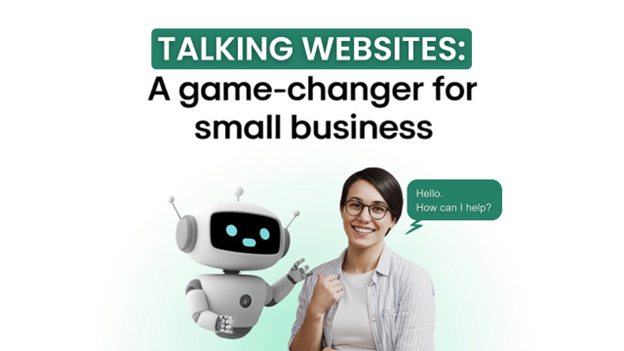
If you’ve ever parented a teenager, you know talking back is not to be celebrated. But when it comes to your business website, talking back is the next big trend. Most websites feel like digital brochures. You scroll, you click, you squint at tiny menus—and if you can’t find what you’re looking for in 20 seconds, you’re gone. On to the next one. But what if you landed on a website that immediately addresses your needs: “Hi there! Looking for a haircut, a color, or some products?” You type “Color,” and the site replies: “Excellent. Want to see our stylists’ availability this week?” No scrolling, no clicking, no calling. Just the information you want right away. That’s a conversational website—and it’s not just for tech giants. Thanks to new AI tools, even the smallest businesses can create sites that chat with customers, not just sit there looking pretty. Why Conversational Websites Could Be the Next Big Thing There are many benefits to a conversational website. Most visitors want quick answers but they don’t want to speak to a person. If they did, they would’ve called. This gives them the answers they want when they want them. Additionally, a conversational website can: Save time: Customers get quick answers any time of day or night instead of calling or emailing you. It will also save your employees time because they won’t have to put off customers to answer the phone or respond to an email. Make sales easier: Instead of a clunky order form, a friendly bot can walk people through the buying process step by step. With advances in AI and search, people are migrating away from typing answers and questions. Most rely on verbal commands and conversations. Search and inquiries are becoming more and more conversational. Feel personal: Customers want to feel seen, not like they’re filling out a tax form. A conversational flow makes your brand warmer and more approachable, especially when you create the tone for your virtual assistant. But I Can’t Code The good news is you don’t need to know a single line of code. Seriously. Tools are popping up every day that do the heavy lifting for you. 1. Build a Site Just by Talking to It Platforms like Wix’s AI Builder let you describe your business in plain English— “I run a bakery that specializes in birthday cakes and gluten-free treats.” —then it generates a full website, complete with text, design, and images. 2. Replace Boring Forms with Friendly Chats Instead of “Fill out this contact form,” tools like Landbot or Tidio turn that process into a conversation. Bot: “What’s your name?” Visitor: “Samantha.” Bot: “Hi Samantha! Want to see today’s specials or book a table?” Lead captured. Customer happy. 3. Let AI Test and Tweak Your Site for You Services like Coframe quietly improve your site in the background. They test different headlines, buttons, and layouts to see what gets the most clicks—no knowledge of A/B testing required. A Few Tips to Keep It Human Even with all this cool tech, the magic is in your brand’s personality. Keep these best practices in mind: Use your voice. If you’re a playful boutique, let your chatbot be sassy. If you’re a financial planner, keep it calm and professional. Be clear it’s AI. Customers don’t mind chatting with a bot, but they do mind feeling tricked. There are some really good AIs out there. It may not be obvious to them that they are not talking to one of your employees. Be transparent about that. Guide people forward. Every conversation should end with a next step: “Book now,” “Call us,” or “See more.” Anticipate what would logically come next. Ready to Make Your Website Talk? Your customers (and potential customers) want quick answers, easy booking, and a sense that someone’s listening and understands what they want—even if that “someone” is AI. With today’s tools, you don’t need a tech team or a giant budget. You just need your unique voice and a willingness to let your website have a conversation instead of being a silent billboard. Internet interactions are becoming more conversational. Watch how people around you are using their phones. They’re talking to AIs more often than people. You want to make sure you’re prepared to answer them back. -------- Christina Metcalf is a writer and women’s speaker who believes in the power of story. She works with small businesses, chambers of commerce, and business professionals who want to make an impression and grow a loyal customer/member base. She is the author of The Glinda Principle , rediscovering the magic within. _______________________________________ Facebook: @tellyourstorygetemtalking Instagram: @christinametcalfauthor LinkedIn: @christinagsmith
You've polished your website, perfected your elevator pitch, and your product or service genuinely solves real problems. Yet somehow, you keep attracting the wrong customers—the ones who haggle over every penny, make unreasonable demands, or disappear after one purchase. Meanwhile, your dream clients seem to float past, elusive, visiting but not buying. Why? As in any human relationship, you need to be more magnetic. If your answer is, “I’m trying,” then perhaps you’re creating the wrong kind of magnetic field around your brand. Opposites Don't Always Attract in Business Did you ever play with magnets? If you did, then you know magnets have two poles that create distinct fields of attraction and repulsion. Your business has something similar. Every decision you make, from your pricing strategy to your communication style, either attracts or repels specific types of customers. Most beginning businesspeople think success is about appealing to as many people as possible. Their marketing consists of claims like, “This is a great gift for everyone,” “This item fits everyone’s lifestyle.” But trying to appeal to everyone creates neutral magnetism that attracts no one strongly. Most customers don’t want to be everyone. They want to be spoken to in ways that catch their attention, such as “Creative architects love our tool,” or “We help people who hate doing yardwork get their weekend back.” Those types of callouts leave a potential customer thinking, “That’s me,” which inadvertently directs them to think, “That (product/service) is for me.” Speaking in Your Customer's Natural Wavelength Additionally, your ideal customers operate on distinct "business frequencies," that’s to say, patterns of decision-making, communication preferences, and value systems that are surprisingly predictable within industries and personality types. Most businesses broadcast on a "Generic FM"—bland, safe messaging that technically reaches everyone but resonates with no one. Your competition is probably doing the same thing, which is why customers can't tell you apart. Tuning Into the Right Station Let's say you run a marketing agency. Instead of saying "We help businesses grow," try identifying your ideal client's specific “frequency”: ● The Overwhelmed Entrepreneur: "For entrepreneurs who lie awake at 2 AM wondering why their great product isn't selling itself" ● The Scaling Company: "When your scrappy startup marketing tactics hit a wall at $2M revenue" ● The Corporate Escapee: "Marketing services for executives who fled corporate life and swore they'd never work with agencies that speak in buzzwords again" Each message repels two groups while magnetizing one and that's exactly what you want. Availability Affects Attraction Many small businesses are getting it backwards. They think being constantly available and accommodating makes them more attractive. In reality, it often signals low value and desperation, which is the business equivalent of appearing too eager on a first date. This doesn't mean you should be difficult to buy from. No one’s going to purchase from someone playing “hard to get.” It means understanding what behavioral economists call "perceived scarcity signals." These are subtle indicators that communicate value through selective availability. Examples of Strategic Scarcity ● A landscape architect who only takes on three projects per quarter (instead of cramming in as many as possible). You’ll often see this in marketing as “I just had a spot open up. Grab it now because I only have availability like this once a quarter.” ● A consultant who requires a discovery call before proposing. “Let’s jump on a call and see if we’re a good fit for one another.” ● A restaurant that closes one day per week "to maintain quality" (instead of staying open every day to maximize revenue). Chick-fil-a, enough said. These businesses repel price-sensitive, high-maintenance customers while attracting clients who associate selectivity with expertise. The Compound Interest of Customer Magnetism The most overlooked aspect of customer attraction is that it compounds over time if you maintain consistency and think about how every interaction either strengthens or weakens your magnetism. When you bend your standards, lower your prices, or compromise your values to accommodate a marginal customer (not your ideal customer), you don't just make that one transaction less profitable. You make it harder to attract ideal customers in the future. Conversely, every time you politely decline a poor-fit customer or maintain your standards despite pressure, you strengthen your brand. Word spreads through your ideal customer network that you're selective, professional, and worth the premium. The other part no one tells you about catering to someone other than your ideal audience is that it endangers your word-of-mouth marketing. Word-of-mouth or referrals are something every business wants because it’s one of the most powerful types of marketing. When you market to everyone, including those who are not a good fit for you, you attract the wrong kind of customers and what they say about you will either be negative or, if it’s positive, it will attract more people who are not an ideal fit. After all, most people hang out with people who are similar to them so if they’re referring people to you it will be more people who are not your target market. The Practical Magnetism Audit Want to identify if your business has weak magnetism? Ask yourself these questions: Attraction Audit: ● Do your last five new customers have similar characteristics, challenges, and values? ● Would your best customers enthusiastically recommend you to their friends? ● Do people often say "I never would have thought of that" when you explain your approach? Repulsion Audit: ● Can you clearly articulate who your service is NOT for? ● Do you regularly turn away inquiries that aren't a good fit? ● Would your worst customers give similar complaints about what they didn't like? If you answered no to most of these questions, you likely have neutral polarity—trying to be everything to everyone and ending up magnetic to no one. Rewiring Your Business Magnetic Field Start by identifying your strongest existing customer relationships. What specific problems do you solve for them that no one else addresses quite the same way? What do they value about working with you that they can't get elsewhere? That's your magnetic north. Then, gradually align everything—your messaging, pricing, processes, and even your office environment—to strengthen that specific part of your brand. Some customers will drift away. Let them. They're making room for the clients who will become your biggest advocates and most profitable relationships. Remember, in a world of infinite choice and constant noise, being remarkably good for some people is infinitely more valuable than being adequate for everyone. Your perfect customers are out there, searching for exactly what you offer. The businesses thriving today aren't necessarily the ones with the best products or the biggest marketing budgets. They're the ones that have figured out how to create a strong, focused magnetic field and their ideal customers can't help but be drawn in. That's not just good marketing. That's magnetic business design. ------------ Christina Metcalf is a writer and women’s speaker who believes in the power of story. She works with small businesses, chambers of commerce, and business professionals who want to make an impression and grow a loyal customer/member base. She is the author of The Glinda Principle , rediscovering the magic within. _______________________________________ Instagram: @christinametcalfauthor LinkedIn: @christinagsmith
Attracting new customers is important, but building loyalty is where long-term success happens. Loyal customers spend more, visit more often, and refer others. According to business.com, they spend 67% more than first-time customers. Cultivating that loyalty takes more than just great service. It takes creativity, consistency, and value-driven engagement. Whether you run a retail store, restaurant, gym, salon, or professional service firm, there are many inventive ways to reward loyal customers and turn them into your best advocates. Rewards Programs One loyalty tactic that has been around long before the internet is a simple rewards program. Punch cards are a timeless option because they work. Whether it’s “buy 9 coffees, get the 10th free,” or “get a free appetizer after five lunch visits,” customers love a visible, tangible progress tracker. For businesses that want to modernize the concept, there are plenty of easy-to-use digital punch card apps that eliminate the need for physical cards while still offering the same satisfaction of reaching a goal. Reusable Loyalty Product If your business sells products or services that people buy frequently, consider creating a reusable loyalty item. You probably have visited a coffee shop that offers branded refillable cups where customers get discounted drinks every time they bring the cup. Smoothie and juice bars can use the same concept. This approach is environmentally friendly and encourages repeat visits. Plus, it serves as mobile advertising when customers carry your branded cup around town. Not selling food or drinks? That’s okay. Sell merch for your business and every time someone wears it into your establishment, give them a small discount for “being a fan.” Off-season Rewards For businesses that rely on seasonal sales, loyalty programs can reward off-season engagement. A clothing boutique might offer a VIP summer sale to top customers who shopped consistently during the slower winter months. A lawn care company could provide early-bird discounts in the spring to clients who stayed on board through the fall. AC companies can offer a “head start on summer” discount for customers who book before the hot season. This tactic keeps customers connected during quiet periods and evens out your sales cycle. Add-ons Service businesses have equally creative options for rewarding loyalty. Salons and spas can offer free add-ons after a certain number of visits, think a complimentary scalp massage, a product sample, or a mini facial upgrade. Gyms and fitness studios could give loyal members branded merchandise like water bottles or workout towels, or even a free guest pass to bring a friend. Pet groomers might reward frequent clients with a free pet treat or small grooming upgrade, creating small moments of surprise and delight. Members-only Members-only programs in businesses are catching on as many businesses have found out that customers are willing to pay a small yearly (or monthly) fee to have access to specials, discounts, or secret sales. Restaurants can mix it up by offering special menu items only available to loyalty members, or hosting an exclusive monthly “members-only” happy hour. Similarly, bars and breweries can roll out a mug club, where members pay a small fee for their own glass or mug and receive larger pours or discounted drinks throughout the year. These kinds of programs tap into a sense of belonging and exclusivity, making customers feel like insiders. Personalization and Appreciation Knowing what your customers want is key to creating loyalty. Reward loyalty through early access to sales (or new rollouts), VIP shopping nights, or birthday discounts. Add a personal touch by tracking customer preferences and offering tailored discounts (like a favorite brand or product) based on purchase history. Offer “surprise boxes” or curated gift packages for your most loyal customers during the holidays, adding a layer of appreciation that goes beyond standard sales promotions. Rewarding Referrals Professional services, like accounting firms, law offices, or real estate agencies, can create loyalty by rewarding client referrals and repeat business. For example, a tax preparation firm could offer returning clients a discount or bonus service (you can make this date capped so that people will use the discount sooner and not during your busy season), such as a free mid-year financial check-in. Real estate agents can send home anniversary gifts, calendars, or cards to clients who purchased a home through them, staying top of mind long after the sale is complete. Competition Another fun idea is incorporating competition into loyalty efforts. Consider what action you want your customers to take. Businesses can set up friendly challenges, such as a “Top Referrer” program where the customer who refers the most friends in a quarter wins a bigger prize. Fitness studios might run “most classes attended” contests with tiered rewards. Offices or coworking spaces can offer contests for checking in, using conference rooms, or attending events. Bookstores can offer “readers’ rewards” with discounts after a set number of purchases, or host exclusive book clubs. Florists can reward repeat customers with a complimentary bouquet after multiple orders or surprise them with a small arrangement during their birthday month. The point of any loyalty program is to make your customers feel seen and appreciated. This needn’t be costly. A simple handwritten thank you card, a surprise discount, or a personalized acknowledgment goes a long way in an age where much of business is automated. Loyalty grows when customers know you value their business and reward their commitment in meaningful ways. As the holiday season approaches, it’s a great time to launch or refresh your loyalty program. Contact the chamber and let them know about your promotional ideas. Networking opportunities provide you an additional platform from which to share your loyalty strategies with the community. Building loyalty is more than a marketing tactic. It’s an investment in long-term relationships that fuel sustained business growth and help you stand out from your competition. ------ Christina Metcalf is a writer and women’s speaker who believes in the power of story. She works with small businesses, chambers of commerce, and business professionals who want to make an impression and grow a loyal customer/member base. She is the author of The Glinda Principle , rediscovering the magic within. _______________________________________ Medium: @christinametcalf Facebook: @tellyourstorygetemtalking Instagram: @christinametcalfauthor LinkedIn: @christinagsmith
People talk about businesses that surprise them in a good way. Loyal customers are like neighbors who recommend a great mechanic. Employees are key to creating those “wow” moments customers share. Make referring you so easy that customers barely have to think about it. A great referral system grows like a garden when you plant the right seeds. 642 words ~ 3.5 min. read The best marketing doesn’t feel like marketing at all. It feels like a friend saying, “You’ve got to try this place.” Think about it. The last time you tried a new mechanic, plumber, or hair stylist, did you pick it because of an ad, or because someone you trust recommended it? That is the power of referrals. In his book *The Referral Engine: Teaching Your Business to Market Itself*, John Jantsch says referrals aren’t random. They happen when you build a business people love to talk about, treat loyal customers like VIPs, and make it easy for them to share your name. And there’s one more piece many businesses overlook—your employees play a huge role in creating experiences worth recommending. Give People a Story Worth Sharing Imagine taking your car to two different repair shops. One fixes the problem and hands you the bill. The other vacuums the interior, leaves a thank-you note on the dashboard, and calls you a week later to make sure everything is running smoothly. Which one are you more likely to recommend to a neighbor? People don’t talk about “fine” or “good.” They talk about moments that feel special. A “referable” business goes beyond getting the job done. It creates small surprises that make customers feel cared for. That might mean following up after a service, adding a handwritten thank-you note to an order, or solving a problem before the customer even asks. Ask yourself this: if a customer told a friend about us, what story would they tell? If you can’t answer that clearly, start there. Treat Loyal Customers Like Friends, Not Transactions Referrals don’t come from strangers. They come from people who feel connected to your business. Think about how you recommend a great mechanic to friends. You do it because you trust them and want your friends to have the same good experience. Your customers feel the same way when they feel valued. Discounts are nice, but loyalty is built on connection. Send thank-you notes. Offer early access to new products. Give your regular customers the first look at something new. These little touches make customers feel like insiders, and people love sharing things that make them feel “in the know.” Empowering Employees to Drive Referrals Employees are the ones delivering most of those referral-worthy moments, which means they need to be motivated to create them. If customers are the voice of your referral engine, employees are the spark that gets it going. Think about inviting friends to your home. You make sure everything looks great because it’s *your* place, and you take pride in it. Employees feel the same way when they feel ownership of the customer experience. Share success stories with your team, ask for their ideas, and celebrate when they create “wow” moments. Recognition matters. People work harder when their effort is noticed. Instead of only rewarding sales, reward the behaviors that lead to referrals. Create a “Wow Moment” board where employees share stories of times they went above and beyond. Give a small prize for the best story each week or month. Make recognition personal too. A quick shout-out in a team meeting or a handwritten thank-you from a manager can motivate more than a generic “good job.” Finally, tie incentives to referrals themselves. Track who customers mention when they leave reviews or refer friends. Reward employees who get named. A monthly prize for “most mentioned in customer referrals” turns great service into a fun challenge. When employees feel proud of the experience they deliver, they create moments customers can’t wait to share. Make Referrals Effortless Even the happiest customers won’t talk about you if it feels like work. Think about how you share a funny video. You click a button, and it’s done. Referring your business should feel just as easy. Give customers simple tools. That might be a shareable link, a short message they can copy and paste, or a quick way to send your information to a friend. If they have to search for your website or figure out what to say, most won’t bother. The Bottom Line Think of referrals like planting a garden. A great experience is the seed. Loyal customers are the water that keeps it growing. Engaged employees are the roots that hold it all together. And making referrals simple is the sunshine that helps it bloom. If you want people to talk about you, give them something worth talking about. Treat customers like friends, empower employees to create moments worth sharing, and make referring you feel as easy as sharing a favorite song. Do that, and you’ll build a business that grows every time someone says, “You’ve got to try this.” --- The Leavenworth-Lansing Area Chamber of Commerce is a private non-profit organization that aims to support the growth and development of local businesses and our regional economy. We strive to create content that not only educates but also fosters a sense of connection and collaboration among our readers. Join us as we explore topics such as economic development, networking opportunities, upcoming events, and success stories from our vibrant community. Our resources provide insights, advice, and news that are relevant to business owners, entrepreneurs, and community members alike. The Chamber has been granted license to publish this content provided by Chamber Today, a service of ChamberThink Strategies LLC.

Has this happened to you? Whether online or in-person, there’s a customer who lingers, hesitates. They’re eyeing your item or menu. They’re asking questions about it. You think they’re going to buy and then they walk away or abandon their online cart without making a decision. They don’t say no, they just don’t say yes. When you see someone who’s interested, but then walks away, it’s likely not your product or service that’s the problem. It’s the fear of a better option. The problem for most people is that there are endless options that are just a click away. Customers are paralyzed by choice. They scroll through product pages, read countless reviews, and compare minor details, all while wondering, “What if there’s something better?” Businesses in every industry (from retail to professional services) are affected by this modern dilemma. The good news? It’s not a lost cause. Helping Them Say Yes You can help your customers move past this hesitation by simplifying the buying process and making it easier to say “yes” with confidence. Here’s how: Clarity The first step is clarity. Too often, businesses overwhelm customers by offering too many choices or using jargon-filled explanations. Customers don’t want to decode your options. They want a clear, obvious path forward. Think of your products or services like traffic signs: simple, direct, and impossible to misunderstand. Package your services into clear tiers, like beginner, advanced, and premium, or create curated product bundles that take the guesswork out of choosing. When customers see fewer, well-explained options, they’re more likely to decide and less likely to second-guess it. Tell Stories Stories also help you cut through decision paralysis. People connect with outcomes, not features. Don’t just list the specifications of your product. Share the success story of a customer who solved a problem with it. Show the transformation, the benefit, the end result. Reviews When people see the positive impact on others, it creates trust and minimizes the fear that they’re making the wrong choice. In fact, according to PowerReviews, 95% of consumers read the customer reviews before making a purchase online. These reviews are pivotal to increasing revenue. Instead of customers feeling like they’re alone in the decision and aren’t sure what to do, reviews have a way of convincing them and they ultimately follow the crowd. Reviews also provide proof that your business delivers results. The Cool Kids If you’ve ever been to a restaurant and chosen the “house favorite,” or you’ve gone to a bookstore and selected the “Editor’s Pick” you’ve experienced the power of social proof. You can use this same tactic in your business by guiding your customers to your most popular offerings. Label your best-sellers or staff favorites clearly. People feel more comfortable making a decision when they know others have done the same and had a good experience. It’s a simple psychological nudge that reassures customers they are making a safe, smart choice because others have before them. Transparency Transparency also builds confidence. One reason customers hesitate is fear of being locked into a bad decision. You can remove this roadblock with easy-to-understand policies like satisfaction guaranteed or flexible return options. When people know they have a way out, they are far more willing to commit. Even if your business doesn’t offer refunds, being upfront about expectations and outcomes creates trust and reduces anxiety around purchasing. Step by Step Another overlooked strategy is to guide customers through the process personally. Especially in service industries, potential clients often don’t take action simply because they don’t know what happens next. Make it crystal clear. Explain the process after purchase step by step. Show them how you’ll take care of them from start to finish. By reducing uncertainty and clarifying next steps, you’ll eliminate much of the hesitation that stalls sales. Urgency Finally, create urgency in a way that feels helpful, not pushy. Limited-time offers, early bird pricing, or exclusive access to new products can nudge customers toward action by showing them there’s value in deciding now, not later. People fear missing out just as much as they fear making the wrong choice. You can use this natural tendency to help customers break free from endless deliberation and feel good about their decision. Simplifying the buying process isn’t about tricking customers into a sale or smooth-talking. It’s about creating a frictionless and clearer path to saying yes. When you make it easy to choose, easy to understand, and easy to feel good after the purchase, you’ll find your customers more willing to buy and happier to return. --------------- Christina Metcalf is a writer and women’s speaker who believes in the power of story. She works with small businesses, chambers of commerce, and business professionals who want to make an impression and grow a loyal customer/member base. She is the author of The Glinda Principle , rediscovering the magic within. _______________________________________ Medium: @christinametcalf Facebook: @tellyourstorygetemtalking Instagram: @christinametcalfauthor LinkedIn: @christinagsmith
Summer Creativity.
Branding isn’t about size. It’s about clarity, consistency, and purpose. Small businesses with strong brands grow faster and retain more loyal customers. A brand is the promise you keep, not just the logo you use. Start with your story and values. Then build visual and verbal consistency. Every customer interaction should reinforce what makes you different. 636 Words ~ 3.5 min. read When most people think “brand,” they picture big names like Nike, Apple, or Starbucks. But in truth, some of the strongest brands belong to small businesses. Like the neighborhood bakery with a line out the door every Saturday. Or the local contractor everyone recommends without hesitation. What sets them apart isn’t budget. It’s branding done right. Branding isn’t just for big companies. It’s how any business, of any size, communicates who they are and why they matter. For small businesses, branding isn’t a luxury. It’s your edge. It helps you cut through noise, attract better-fit customers, and grow with confidence. Yet too often, small business owners treat branding as something they’ll invest in later. That’s a missed opportunity. A strong brand isn’t about fancy design or a clever tagline. It’s about clarity and consistency. It’s the promise you make and keep every time a customer interacts with your business. When done well, branding builds trust, emotional connection, and long-term loyalty. That’s true whether you’re running a restaurant, a retail shop, or a B2B service company. So where should a small business start? Not with a costly rebrand or an elaborate style guide. Begin with your story. Why did you start this business? What do you believe in? What do you do better than anyone else? Those answers are the foundation of your brand identity. Next, translate that identity into a voice and look that feel authentic to you. Choose a tone that fits your values. Whether that’s professional, casual, inspiring, or direct. Then use it across every customer touchpoint. One local accounting firm embraced a tone of friendly expertise in everything from its emails to signage and saw referrals rise 30 percent in a year. Your visuals matter too. You don’t need a world-class designer. Start with a few key colors, a clean font, and a logo that aligns with your message. What matters more than polish is consistency. Make sure your website, signage, social media, and printed materials all feel like they’re coming from the same voice and visual identity. And most importantly, bring your brand to life in how you deliver your service. Your customer experience should reflect your values in action. If your brand is about reliability, you need fast response times and follow-through. If it’s about community, you should be engaging locally and making people feel seen. Small businesses that get branding right build something bigger than marketing. They build reputation. They become memorable, trusted, and easier to recommend. A strong brand turns customers into advocates and consistency into growth. The Bottom Line: Branding isn’t about budget or business size. It’s about being clear on your purpose, consistent in your message, and authentic in how you show up. Take ten minutes today to write down what you stand for. That’s the first step to building a brand that lasts. Further Reading: Unleashing Your Brand's Personality in the Age of AI --- The Leavenworth-Lansing Area Chamber of Commerce is a private non-profit organization that aims to support the growth and development of local businesses and our regional economy. We strive to create content that not only educates but also fosters a sense of connection and collaboration among our readers. Join us as we explore topics such as economic development, networking opportunities, upcoming events, and success stories from our vibrant community. Our resources provide insights, advice, and news that are relevant to business owners, entrepreneurs, and community members alike. The Chamber has been granted license to publish this content provided by Chamber Today, a service of ChamberThink Strategies LLC.